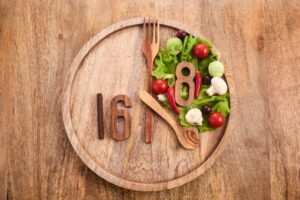
In our fast-paced world, time is a commodity that many people find themselves short on, especially when it comes to health and wellness. The demand for “fat-burning foods” that promise quick results while saving time has surged as individuals strive to make their daily routines more efficient. However, while certain foods may support fat loss, they do so in a nuanced way, and understanding the key factors that influence their effectiveness can help you make more informed dietary decisions. In this article, we’ll explore the critical elements that affect fat-burning foods and how you can harness these principles to save time and see real results in your fat loss journey.
1. The Role of Metabolism: How Certain Foods Affect Caloric Burn
Metabolism plays a crucial role in fat burning. It refers to the chemical processes by which your body converts food into energy, and it can vary from person to person based on a variety of factors, including genetics, age, and muscle mass. Some foods have the ability to boost metabolism, which means they increase the rate at which your body burns calories, even when you’re at rest. This can aid in fat loss, especially when combined with a balanced diet and regular exercise.
Key Fat-Burning Foods: Protein-rich foods such as lean meats, fish, eggs, and legumes are known to increase metabolic rate due to their higher thermic effect. The thermic effect of food (TEF) refers to the energy required to digest, absorb, and process nutrients. Proteins have a higher TEF compared to fats or carbohydrates, meaning that your body burns more calories breaking them down. A diet that includes high-quality protein sources is not only effective for fat burning but also saves time by increasing the overall efficiency of your metabolism.
2. The Impact of Fiber: How Foods High in Fiber Support Fat Loss
Dietary fiber, particularly soluble fiber, plays a significant role in fat loss by promoting satiety, regulating blood sugar levels, and enhancing digestion. Foods that are rich in fiber can help you feel fuller for longer, which may reduce the likelihood of overeating or snacking between meals. Moreover, fiber aids in stabilizing insulin levels, preventing insulin spikes and crashes that can lead to fat storage.
Key Fat-Burning Foods: Vegetables, fruits, whole grains, and legumes are excellent sources of fiber that promote fat loss. For example, leafy greens, oats, apples, and beans are fiber-packed options that are also low in calories, making them efficient foods for fat burning. Including these fiber-rich foods in your meals will not only keep you satisfied longer but also enhance your fat-burning efforts without demanding too much of your time.
3. The Power of Healthy Fats: Why You Should Include Them in Your Diet
While the idea of fat being a major contributor to weight gain is a common misconception, the truth is that healthy fats play an essential role in weight management. Healthy fats, such as those found in avocados, nuts, seeds, and olive oil, can help you maintain a balanced diet by promoting satiety and preventing blood sugar imbalances. In addition, these fats are key players in supporting metabolic functions that are critical for fat loss.
Key Fat-Burning Foods: Monounsaturated fats and omega-3 fatty acids are particularly beneficial for fat loss. For instance, incorporating foods like salmon, walnuts, chia seeds, and extra virgin olive oil into your meals can provide long-lasting energy and support fat-burning processes. Healthy fats take longer to digest than carbohydrates, which can lead to a prolonged feeling of fullness and can help prevent overeating. By including healthy fats in your meals, you not only support fat-burning but also save time by keeping hunger at bay for longer periods.
4. The Role of Hydration: How Water and Hydrating Foods Enhance Fat Burning
Staying properly hydrated is an often-overlooked factor in weight management and fat loss. Adequate hydration supports nearly every bodily function, including fat metabolism. Water, in particular, is involved in the breakdown of fat cells, a process known as lipolysis. Furthermore, drinking water before meals can help control appetite by promoting a feeling of fullness and reducing the likelihood of overeating.
Key Fat-Burning Foods: In addition to water, foods with high water content—such as cucumbers, watermelon, and celery—can aid in fat loss by hydrating the body and promoting digestion. These foods are naturally low in calories and can fill you up without contributing to excessive calorie intake. Choosing hydrating foods as snacks or adding them to meals can save time by providing both nourishment and hydration in one convenient, easy-to-prepare package.
5. Thermogenic Foods: How Certain Foods Boost Calorie Burn
Some foods have thermogenic properties, meaning they increase the heat production in the body, which, in turn, can elevate the rate of calorie burn. Thermogenic foods can assist with fat loss by enhancing the fat-burning process, increasing energy expenditure, and improving metabolism. The idea is that certain foods can “kick-start” the fat-burning process, leading to a more efficient calorie burn throughout the day.
Key Fat-Burning Foods: Spicy foods, particularly those containing capsaicin (the active compound in chili peppers), have been shown to increase thermogenesis. Green tea, which contains catechins, and coffee, which contains caffeine, are other well-known thermogenic foods that can increase fat oxidation. These foods can be incorporated easily into your daily routine—whether you start your day with a cup of green tea or add some chili peppers to your meals—providing a quick and easy way to support fat burning.
6. The Importance of Glycemic Index: How Low-Glycemic Foods Can Aid Fat Loss
The glycemic index (GI) is a measure of how quickly a food raises blood sugar levels. Foods that have a high GI, such as sugary snacks and refined carbohydrates, cause rapid spikes in blood sugar, which can lead to increased fat storage and hunger. On the other hand, low-GI foods release glucose into the bloodstream more slowly, providing a steady source of energy without causing insulin spikes. Maintaining stable blood sugar levels is crucial for effective fat burning and weight management.
Key Fat-Burning Foods: Low-GI foods include whole grains like quinoa, sweet potatoes, and legumes, as well as non-starchy vegetables. These foods help stabilize blood sugar, prevent insulin resistance, and reduce fat storage. Including low-GI foods in your meals can help prevent energy crashes and keep hunger under control, making it easier to stick to a healthy eating plan.
7. The Role of Protein: How Protein-Packed Foods Fuel Fat Loss
Protein is a cornerstone of any fat-burning diet due to its high thermic effect, as well as its ability to preserve lean muscle mass. When trying to lose fat, it’s important to maintain muscle mass because muscle burns more calories at rest than fat tissue. High-protein diets have been shown to increase metabolism, reduce appetite, and promote fat loss, making protein an essential macronutrient for anyone seeking to burn fat effectively.
Key Fat-Burning Foods: Lean proteins such as chicken, turkey, fish, eggs, and plant-based sources like tofu and lentils are excellent choices for promoting fat loss. Not only do they support muscle maintenance, but they also help with fat burning due to their thermogenic effect. Including a source of protein in every meal can also make it easier to stick to your fat-loss goals by keeping you fuller for longer.
Conclusion: The Key to Effortless Fat Loss
When it comes to fat-burning foods that save time, there is no one-size-fits-all solution. Instead, the most effective approach involves incorporating a variety of foods that support metabolism, control appetite, stabilize blood sugar, and promote muscle mass. The key factors that influence fat-burning foods include their impact on metabolism, fiber content, hydration levels, thermogenic properties, glycemic index, and protein content. By making small, mindful changes to your diet and focusing on nutrient-dense, fat-burning foods, you can create a sustainable, time-efficient plan that supports your fat loss goals.
Ultimately, the most effective fat-burning strategy is one that combines these nutrient-rich foods with regular physical activity and consistent lifestyle habits. Time-saving doesn’t mean shortcuts; it means finding smart, efficient ways to nourish your body with the foods that fuel your fat-burning potential. So, whether you’re grabbing a quick meal or planning ahead for the day, prioritize these key factors to maximize your results and optimize your health.