

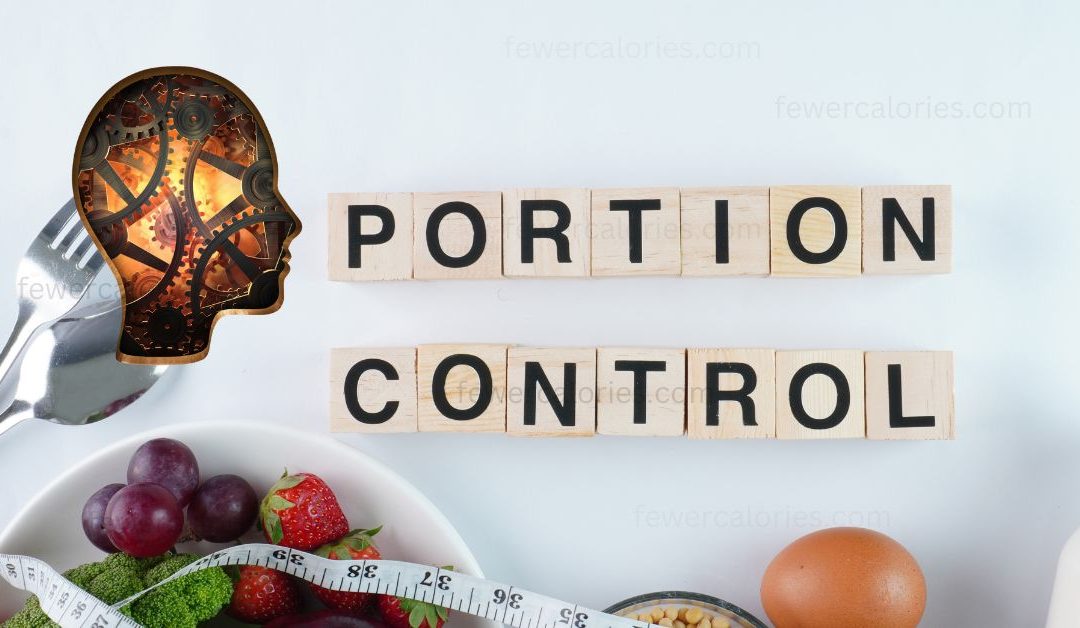
Portion control is often dismissed as a willpower test or a temporary dieting trick. In reality, it’s rooted in how the human brain perceives hunger, satisfaction, and abundance. When done correctly, portion control works with your psychology rather than against it—making healthier eating feel natural instead of restrictive.
What Portion Control Really Means
Portion control is not about eating less food—it’s about eating the right amount for your body’s needs. The brain doesn’t measure calories; it responds to visual cues, habits, and satiety signals. Managing portions helps align those signals with actual nutritional requirements.
Key distinction:
-
Portion size: The amount you choose to eat
-
Serving size: A standardized nutritional reference
Confusing the two is one of the main reasons people overeat without realizing it.
How the Brain Interprets Food Quantity
Your brain relies on shortcuts to decide when you’ve eaten “enough.” These shortcuts are surprisingly easy to influence.
Visual Dominance Effect
Studies show the brain uses plate size, bowl depth, and food volume to judge fullness. Larger plates silently encourage larger portions, even when hunger levels are the same.
The Unit Bias
Humans are wired to assume one unit equals one serving—one bag, one muffin, one plate. This bias explains why downsizing portions works without conscious effort.
Memory and Satiety
Feeling full isn’t just physical. The brain tracks how much you remember eating. Structured portions strengthen that memory, leading to longer-lasting satiety.
Why Portion Control Feels Easier Than Dieting
Traditional diets rely on restriction, which triggers resistance. Portion control avoids this psychological backlash.
Why it works better:
-
No forbidden foods
-
Reduced decision fatigue
-
Maintains pleasure and satisfaction
-
Builds consistency instead of perfection
The brain perceives moderation as sustainable, while restriction feels like deprivation.
The Role of Habits in Portion Control
Eating is largely habitual. Once portions are adjusted consistently, the brain updates its “normal” reference point.
Over time:
-
Smaller portions feel sufficient
-
Hunger hormones stabilize
-
Cravings decrease naturally
This is why portion control becomes easier the longer you practice it—it’s a habit recalibration, not a constant struggle.
Emotional Eating and Portion Awareness
Emotional eating isn’t about hunger; it’s about comfort and regulation. Portion control introduces pause and awareness without judgment.
Helpful strategies include:
-
Serving food before eating (not from the package)
-
Eating without screens
-
Checking fullness halfway through the meal
These small pauses give the brain time to distinguish emotional cues from physical hunger.
Why Slower Eating Amplifies Portion Control
The body takes about 20 minutes to register fullness. Portion control works best when paired with slower eating, allowing satiety hormones to activate before overeating occurs.
Benefits of slower eating:
-
Enhanced taste satisfaction
-
Reduced overeating
-
Better digestion
When portions are reasonable, slowing down feels natural instead of forced.
Portion Control and Long-Term Weight Regulation
Portion control doesn’t just help with short-term goals—it supports long-term metabolic balance.
Over time, it:
-
Prevents gradual calorie creep
-
Reduces insulin spikes
-
Supports stable energy levels
-
Lowers relapse risk compared to restrictive diets
This is why many people maintain results with portion control long after other diets fail.
Making Portion Control Effortless in Daily Life
Practical adjustments make a big difference:
-
Use smaller plates and bowls
-
Pre-portion snacks instead of eating from packages
-
Prioritize protein and fiber for fullness
-
Serve meals in the kitchen, not at the table
These tactics reduce reliance on willpower by reshaping the eating environment.
The Psychological Advantage That Makes It Stick
The true strength of portion control lies in autonomy. You’re not following rigid rules—you’re learning how much feels right. This sense of control increases motivation, confidence, and long-term adherence.
When the brain feels safe and satisfied, healthy choices become the default.
Frequently Asked Questions
1. Does portion control mean I’ll always feel hungry?
No. Proper portion control focuses on satiety, not deprivation, especially when meals include protein, fiber, and healthy fats.
2. Can portion control work without calorie counting?
Yes. Visual cues and consistent portions often regulate intake naturally without tracking numbers.
3. Is portion control effective for weight maintenance?
Absolutely. It’s one of the most reliable methods for maintaining results long-term because it’s sustainable.
4. How long does it take for smaller portions to feel normal?
Most people adapt within 2–4 weeks as habits and hunger signals recalibrate.
5. Does portion control help with binge eating?
It can, especially when combined with mindful eating and emotional awareness, as it reduces all-or-nothing thinking.
6. Are smaller plates really effective or just a gimmick?
They’re effective because the brain uses visual volume to judge satisfaction, making smaller portions feel more filling.
7. Can athletes or highly active people use portion control?
Yes. Portion control adjusts to energy needs—it’s about appropriate portions, not minimal ones.