

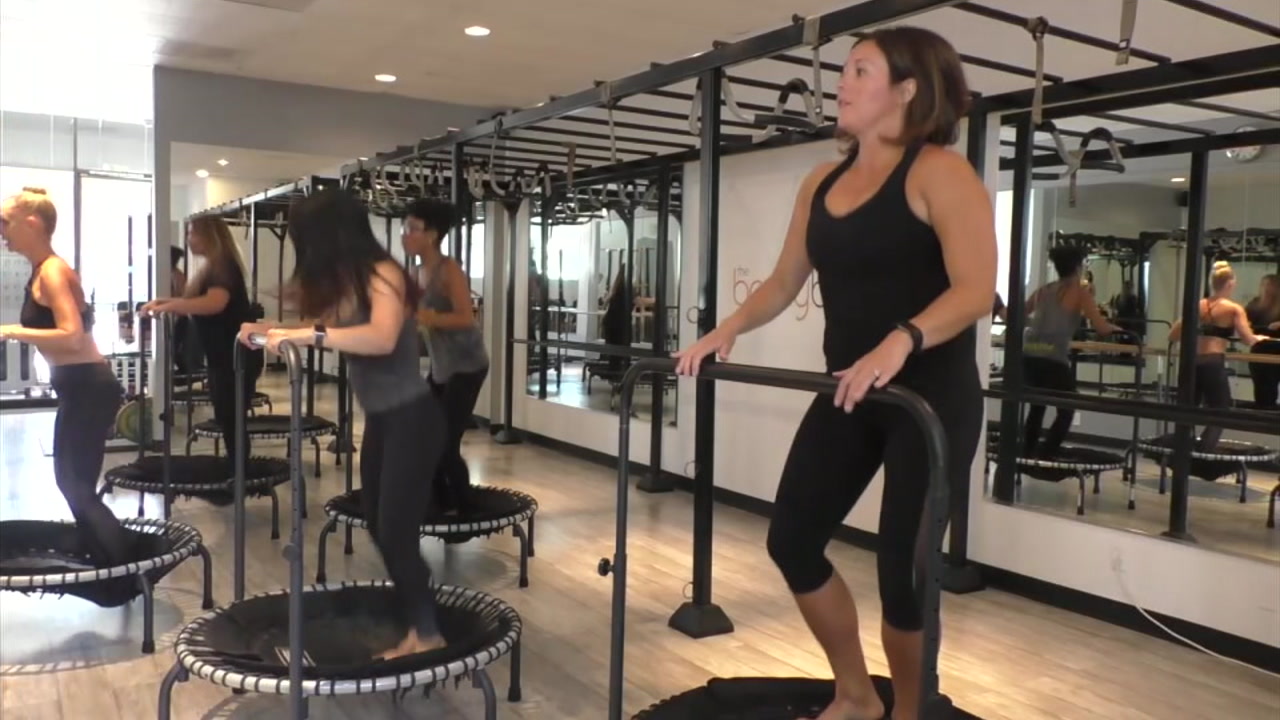
The lymphatic system is one of the most overlooked systems in the human body, yet it plays a central role in immune function, waste removal, and fluid regulation. Unlike the cardiovascular system, which has the heart as a dedicated pump, the lymphatic system depends entirely on body movement and muscle contractions to keep lymph fluid circulating. This is precisely where rebounding holds a measurable advantage over most conventional exercise formats.
A trampoline class singapore puts your entire body through repeated cycles of weightlessness and increased gravitational load. Bouncing upward reduces G-force momentarily while landing multiplies it. This rhythmic shift creates a pumping effect on the lymphatic vessels that is difficult to replicate through walking, cycling, or even running on flat ground. Understanding why this happens requires a closer look at how the lymphatic system actually functions and why gravity matters so much to it.
How the Lymphatic System Works
The lymphatic network runs parallel to the cardiovascular system and is responsible for collecting excess interstitial fluid, filtering out toxins, pathogens, and cellular waste, and returning clean fluid back to the bloodstream. Lymph nodes act as filtration stations along this network, and the fluid must move constantly to prevent stagnation.
Movement is the primary driver of this circulation. When skeletal muscles contract and relax, they compress lymphatic vessels and push fluid forward through one-way valves. Deep breathing also contributes, as pressure changes in the thoracic cavity help draw lymph upward toward the chest.
The problem with many popular exercise forms is that they involve repetitive movement in a single plane. Running moves you forward. Cycling keeps your lower body in a fixed pattern. Neither generates the multi-directional gravitational stimulus that the lymphatic system responds to most effectively.
The Gravitational Advantage of Rebounding
Rebounding is unique because every bounce subjects your body to a vertical gravitational cycle. At the peak of each jump, G-force briefly drops below 1G. As you land, it temporarily increases to roughly 2-3G depending on jump intensity. Every lymphatic vessel in the body responds to this shift, from your feet to your neck.
This vertical acceleration and deceleration acts like a rhythmic squeeze and release on lymphatic capillaries throughout the body, stimulating flow far more comprehensively than horizontal movement. Research in exercise physiology has noted that this type of whole-body vertical loading activates lymphatic circulation from the lower extremities upward, which is particularly beneficial for people who struggle with lower limb swelling or poor circulation.
Additionally, landing on a flexible surface engages more stabilising muscle groups simultaneously than landing on hard ground. This greater muscular recruitment means more compression across a wider network of lymphatic vessels with every single bounce.
Why Conventional Cardio Falls Short
Running is excellent for cardiovascular conditioning and caloric expenditure, but it takes place on a rigid surface. The impact travels upward through the joints, and while muscle contractions do stimulate some lymphatic movement, the gravitational variation is minimal. Your body stays within a narrow G-force range throughout the entire session.
Cycling, while low-impact and effective for leg conditioning, keeps the upper body largely static. Lymphatic flow in the torso, arms, and neck receives little stimulation during a cycling session. The same limitation applies to rowing machines and ellipticals, which are predominantly lower-body or fixed-plane movements.
Even high-intensity interval training on flat surfaces, while beneficial in many ways, does not generate the consistent, rhythmic gravitational cycling that makes trampoline fitness so specifically effective for lymphatic health.
Additional Lymphatic Benefits of Regular Trampoline Training
Beyond the mechanical pumping advantage, consistent trampoline class participation supports lymphatic health through several other pathways:
- Deep diaphragmatic breathing during high-energy bouncing sessions drives thoracic pressure changes that pull lymph upward through the thoracic duct
- Whole-body perspiration during a session helps the body eliminate waste through the skin, reducing the lymphatic system’s overall filtration burden
- The cardiovascular conditioning gained from regular rebounding improves blood circulation generally, which supports the lymphatic-vascular interface
- Reduced systemic inflammation over time, a documented outcome of regular aerobic exercise, directly benefits lymphatic function by lowering the volume of inflammatory proteins the system must clear
Who Benefits Most From This Training Format
While trampoline training is suitable for most healthy adults, certain groups stand to gain particular lymphatic benefits:
- Individuals who sit for extended periods during work hours and experience lower limb heaviness or mild fluid retention
- Those recovering from illness who want a gentle way to stimulate immune system activity
- Older adults looking to maintain lymphatic and immune function without high joint stress
- Athletes in recovery phases who need active circulation support without heavy loading
Singapore’s climate, being hot and humid year-round, means that many residents are more prone to fluid retention and sluggish circulation. The air-conditioned, controlled environment of an indoor trampoline class makes it a practical and comfortable option for consistent training throughout the year.
Building a Long-Term Lymphatic Health Strategy
Two to three trampoline sessions per week is sufficient to produce meaningful lymphatic benefits when combined with adequate hydration and a balanced diet. As with any exercise format, consistency matters more than intensity in the early stages.
TFX Singapore structures its rebound sessions to include warm-up and cool-down phases that support healthy circulation patterns, making it suitable for participants across different fitness levels. Starting with shorter sessions and progressively increasing duration and intensity allows the lymphatic system to adapt alongside the cardiovascular and musculoskeletal systems. Over weeks and months, regular participants often report improved energy levels, reduced puffiness, and better overall recovery between training sessions, all indicators of improving lymphatic efficiency.
FAQ
Q: How many times a week should I attend a trampoline class for lymphatic benefits? Two to three sessions per week is generally recommended for consistent lymphatic stimulation. Rest days between sessions are important as they allow the lymphatic system to process and clear the additional fluid mobilised during exercise.
Q: Can trampoline training help with chronic lymphoedema? While rebounding supports general lymphatic circulation, anyone with a diagnosed lymphatic condition should consult a lymphoedema therapist or medical professional before starting trampoline training. It may be beneficial as a complementary activity but should not replace medical treatment.
Q: Does hydration affect how well the lymphatic system responds to trampoline exercise? Yes. Lymph fluid is water-based, and dehydration reduces its volume and viscosity. Drinking adequate water before, during, and after a session ensures that the lymphatic system can move fluid efficiently in response to the gravitational stimulus of rebounding.
Q: Is there a time of day that maximises lymphatic benefits from rebounding? Morning sessions may have a slight advantage as lymphatic circulation tends to be slower after a night of relative inactivity. However, any session is beneficial, and the best time of day is simply the one you can attend consistently.