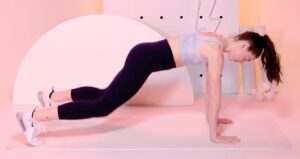
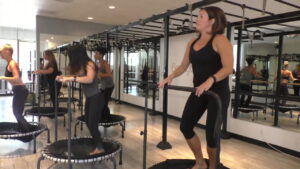
The modern pace of life in Singapore can feel relentless. With tight work schedules, digital overload, and limited downtime, stress has quietly become one of the nation’s most common health concerns. In response, many Singaporeans are discovering a new approach to exercise—one that not only strengthens the body but also calms the mind. Fitness classes Singapore have started blending mindfulness, movement, and mental health practices into their core programmes, giving rise to what’s known as mindful movement fitness.
This powerful concept bridges physical training and emotional resilience, turning workouts into transformative experiences that reduce anxiety, improve focus, and cultivate inner strength.
Understanding Mindful Movement
Mindful movement is not a single style of exercise. It’s a philosophy that combines awareness, breath control, and physical engagement. Whether through yoga-inspired strength training, rhythmic pilates, or slow, intentional mobility sessions, the goal is to move consciously rather than mechanically.
In a mindful movement class, participants are encouraged to focus on sensations, posture, and breathing. Each repetition is performed with full awareness of how the body feels. This conscious attention not only prevents injury but also enhances results, as the mind and muscles work together efficiently.
The Science Behind Mindfulness and Exercise
Scientific research supports the benefits of combining mindfulness with physical training. Studies have shown that mindful movement can reduce cortisol levels, lower blood pressure, and improve emotional stability. When the body and mind operate in sync, the nervous system shifts from a stress-response mode to a restorative state, known as the “rest and digest” phase.
Regular participation in mindful workouts can:
-
Improve mental clarity and concentration
-
Enhance muscle coordination and flexibility
-
Lower the risk of burnout
-
Support better sleep and emotional regulation
This blend of psychology and physiology explains why mindful fitness has become one of Singapore’s most in-demand wellness trends.
Why Singaporeans Are Turning to Mindful Fitness
Life in Singapore’s fast-moving economy demands balance. Professionals face long working hours, constant digital connectivity, and high expectations. The need for recovery—both mental and physical—has become just as important as performance.
Mindful movement fitness classes address these needs perfectly. They offer a space where individuals can slow down, breathe, and reconnect with themselves while still engaging in effective exercise. Participants often report leaving class not only feeling stronger but also calmer and more grounded.
Moreover, the concept aligns with Singapore’s growing interest in holistic health. People are moving away from extreme, high-stress workout routines toward sustainable fitness that supports long-term wellbeing.
The Role of Breath and Awareness in Training
Breathing is central to mindful movement. Controlled breathing patterns regulate heart rate, improve oxygen flow, and maintain stability during challenging exercises. Many trainers now integrate breath awareness into strength, endurance, and mobility workouts.
By teaching participants to link movement with breath, these classes help:
-
Build endurance through efficient oxygen use
-
Reduce anxiety and improve mental focus
-
Prevent injury by enhancing body control
-
Develop emotional balance through rhythmic breathing
This conscious approach transforms every class into a dynamic meditation session, combining physical exertion with emotional restoration.
Different Forms of Mindful Fitness in Singapore
The variety of mindful movement classes across Singapore is impressive. Each style caters to specific needs, from stress relief to muscle recovery. Popular forms include:
-
Yoga-infused strength training: Combines balance poses and resistance work to build stability and awareness.
-
Mobility and breathwork classes: Focus on posture correction and relaxation through guided breathing.
-
Pilates-based mindfulness: Strengthens the core while maintaining a deep focus on controlled breathing and precision.
-
Slow HIIT with meditation finishers: Blends intense intervals with short guided meditations for mental reset.
Such variety allows individuals to choose classes that align with their physical goals while supporting emotional balance.
How Mindful Fitness Impacts Productivity and Focus
Mindful movement doesn’t only benefit the body—it enhances mental performance too. Participants often report better focus, sharper memory, and improved decision-making after consistent training. These improvements are attributed to reduced stress hormones and better blood circulation in the brain.
For professionals, this can translate into higher productivity at work, more creativity, and emotional resilience in high-pressure situations. It’s no surprise that many companies are beginning to sponsor mindful fitness sessions as part of employee wellness programmes.
The Role of Trainers in Mindful Classes
The success of mindful fitness heavily depends on the trainer’s approach. Rather than pushing for speed or maximum repetition, instructors encourage precision, form, and awareness. They use verbal cues, soft music, and guided breathing to create an atmosphere that supports both focus and relaxation.
At True Fitness Singapore, instructors incorporate mindfulness principles into various class formats, helping participants experience physical transformation while cultivating a calm and centred mindset. This guidance ensures that workouts remain challenging yet therapeutic.
Balancing Intensity and Intention
One misconception about mindful movement is that it’s too gentle to build strength. In truth, when performed with focus, slow and controlled exercises can be extremely demanding. Each muscle contraction is purposeful, increasing time under tension and improving endurance.
Mindful workouts also encourage body awareness that translates to better performance in traditional training. By understanding alignment and posture, participants lift more efficiently, run more smoothly, and recover faster.
Emotional Healing Through Movement
Physical exercise releases endorphins, but mindful movement goes deeper by addressing emotional blockages. The combination of deep breathing, intentional movement, and inner focus often triggers emotional release. Participants might feel lighter, more peaceful, or even emotional after sessions, as stored stress and tension are released.
This connection between movement and emotion has made mindful fitness particularly effective for people dealing with anxiety, burnout, or chronic fatigue.
Technology Meets Mindfulness
While mindfulness is rooted in ancient practices, technology has made it more accessible. Many fitness classes now use biofeedback devices to track stress levels, breathing rhythm, and heart rate variability. This data helps participants understand how mindfulness affects their physiology in real time.
Apps and smart devices also allow users to continue mindfulness-based workouts at home, reinforcing the habit of conscious movement even outside class environments.
Creating a Mindful Fitness Routine
To experience the full benefits, consistency matters. Incorporating two or three mindful fitness classes a week can significantly improve both physical and emotional wellbeing. Pairing these classes with proper rest, nutrition, and outdoor time amplifies results.
Simple habits such as mindful walking, breathing before sleep, or stretching between work breaks can also complement formal classes, building a foundation for lasting calmness and balance.
The Growing Future of Mindful Fitness in Singapore
Mindful movement is shaping the next phase of Singapore’s fitness evolution. As awareness of mental health grows, more studios are offering hybrid programmes that combine physical training with mindfulness coaching, nutrition advice, and stress management.
Corporate wellness initiatives, schools, and even community centres are adopting mindful fitness as part of holistic health promotion. This marks a cultural shift toward recognising that true strength lies not only in physical power but also in mental composure.
FAQs
Q1: What makes mindful movement different from regular fitness classes?
Mindful movement focuses on awareness, breathing, and controlled motion rather than speed or repetition count. It trains both the body and mind simultaneously.
Q2: Can beginners join mindful fitness classes?
Yes. Mindful fitness is suitable for all levels because it adapts to each individual’s pace. Trainers guide participants to move safely and attentively.
Q3: How often should I attend mindful fitness classes to see benefits?
Attending two to three sessions per week is enough to experience noticeable improvements in focus, flexibility, and stress reduction within a few weeks.
Q4: Does mindful fitness help with anxiety?
Absolutely. Deep breathing and body awareness reduce cortisol levels and activate relaxation responses, making it highly effective for managing anxiety.
Q5: Are mindful fitness classes physically challenging?
They can be. Slow, controlled exercises increase muscle engagement and endurance, providing a full-body workout that builds both strength and stability.
Mindful movement has transformed how people view exercise in Singapore. By integrating mindfulness into training, fitness classes Singapore are helping individuals move beyond traditional workouts to find emotional balance, resilience, and strength—both inside and out.