

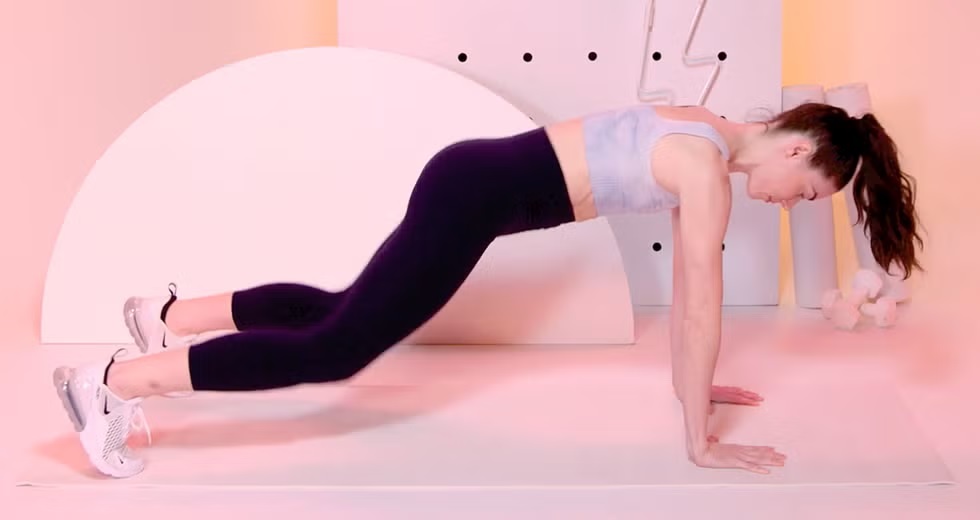
HIIT is known for intensity, but intensity alone does not create good results. A workout can feel hard without being effective if form breaks down, pacing is poor or recovery is ignored. The best HIIT training combines effort with control. Participants should move powerfully, but they should also move safely.
For people considering hiit classes singapore, proper form and smart pacing should be priorities. A well-run class helps participants push themselves while still respecting movement quality. This balance is what makes HIIT both challenging and sustainable.
Form comes before speed
Many HIIT movements are performed at a fast pace, but speed should never come before form. Poor form can reduce exercise benefit and place stress on joints.
For example, a squat should maintain control through the knees, hips and spine. A push-up should involve the chest, shoulders and core, not uncontrolled dropping. A jump should land softly, not heavily.
Good form allows the right muscles to work and reduces unnecessary strain.
Pacing prevents early burnout
A common HIIT mistake is starting too hard. Participants may push maximum effort in the first few minutes, then struggle to complete the rest of the class.
Smart pacing means distributing energy across the session. Some intervals may be hard, but participants should still have enough control to continue safely.
An instructor can help guide pacing by explaining when to push, when to recover and when to modify.
Modifications are not weakness
Many people think using modifications means they are not working hard enough. That is not true. Modifications allow participants to train at a level that suits their body.
A jump can become a step. A fast movement can become slower. A heavy resistance movement can use lighter load. These changes help maintain form while still creating challenge.
In a professional setting such as True Fitness Singapore, class options and coaching can help participants choose suitable intensity levels.
Recovery periods have a purpose
In HIIT, recovery is not wasted time. It allows the body to prepare for the next interval. Skipping recovery or continuing at high intensity throughout can reduce workout quality.
During recovery, participants should focus on breathing, posture and readiness. Good recovery helps the next work period become stronger.
HIIT works because of the contrast between hard effort and controlled recovery.
Breathing supports performance
Breathing often becomes uncontrolled during intense exercise. Participants may hold their breath, breathe too shallowly or panic when effort rises.
Better breathing helps regulate effort. It supports focus, oxygen delivery and control. During hard intervals, breathing will be heavy, but it should not feel chaotic.
Learning to breathe under effort is part of improving HIIT performance.
Weekly balance protects progress
Even if form and pacing are good, doing too much HIIT can become a problem. The body needs time to adapt. A weekly routine should include recovery, strength, mobility and lower intensity work.
For many people, two HIIT classes per week can be effective when balanced with other training. The exact number depends on fitness level and recovery.
More is not always better. Better quality is better.
FAQ
I feel my form gets messy near the end of HIIT intervals. What should I do?
Slow down or modify the exercise. It is better to finish with control than to move fast with poor form.
Is it okay to take extra rest during class?
Yes. If you need extra rest to maintain safety and quality, take it. Over time, your recovery capacity can improve.
I cannot do jumping exercises comfortably. Can HIIT still work for me?
Yes. Many movements can be made low impact. You can still raise heart rate and train effectively without jumping.
How do I know if I am pacing correctly?
You should feel challenged but not completely finished in the first few minutes. You should be able to complete the class with effort and control.
Conclusion
Proper form and smart pacing make HIIT safer and more effective. The goal is not uncontrolled intensity. The goal is powerful movement performed with awareness.
For people in Singapore, a guided HIIT class can provide the structure needed to train hard without losing quality. When effort, form and recovery work together, results become more sustainable.