

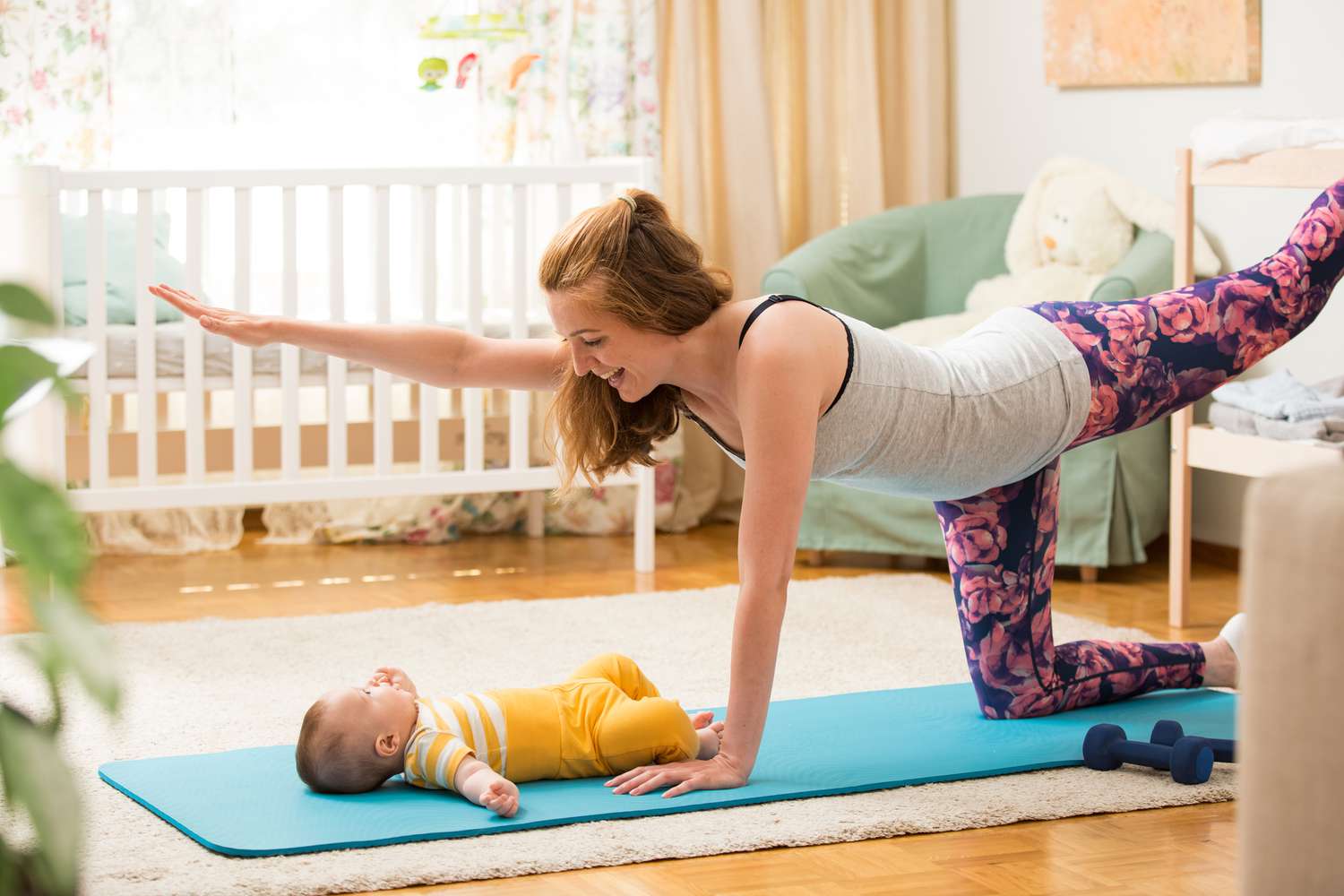
The journey of motherhood is one of the most profound transitions a woman will experience. It brings immeasurable joy, but it can also be physically and emotionally challenging. Among the many changes new mothers face, one that is often overlooked or underestimated is the shift in their bodies post-birth. After months of carrying and nurturing a baby, many women find that their bodies need time and support to return to a sense of balance. This is where postpartum fitness comes in. While the idea of getting back into shape after childbirth can seem daunting, postpartum fitness offers much more than just a way to shed the baby weight. It is about reclaiming strength, fostering mental well-being, and promoting long-term health. In this article, we will explore why postpartum fitness is worth considering and how it can deliver real, lasting results for mothers.
Understanding Postpartum Fitness
Postpartum fitness refers to the exercise and movement programs designed specifically for women after childbirth. The goal is not just to return to pre-pregnancy body shape but to ensure that new mothers are strengthening their muscles, improving their posture, and addressing the unique needs of their body after nine months of pregnancy. It’s a holistic approach that considers both the physical and emotional recovery needed during the postpartum period.
Unlike the rush to “bounce back” that some may feel societal pressure to follow, postpartum fitness emphasizes a gradual, mindful return to physical activity, one that is tailored to the unique experiences of each woman. The reality is that the body undergoes significant changes during pregnancy, and after birth, it requires time to heal and adapt. As such, postpartum fitness should prioritize safety, progress, and sustainable results, rather than aiming for rapid or extreme transformations.
The Physical Benefits of Postpartum Fitness
-
Restoring Core Strength and Pelvic Health
During pregnancy, the body undergoes significant physical changes, including the stretching and weakening of the core muscles and pelvic floor. The pelvic floor muscles, which support the bladder, bowels, and uterus, can become weakened during childbirth, leading to problems like urinary incontinence and pelvic organ prolapse. Engaging in postpartum fitness, especially exercises that target the core and pelvic floor, can help restore strength in these areas.
Exercises such as pelvic floor exercises (also known as Kegel exercises) and gentle abdominal work can rebuild the support system of the pelvic region, improving both comfort and function. In addition to helping with postpartum recovery, this type of fitness can also enhance sexual health and improve overall abdominal stability, which is important for maintaining good posture and reducing back pain.
-
Boosting Energy and Reducing Fatigue
New mothers often experience significant fatigue due to the demands of caring for a newborn. Exercise, however, can provide a much-needed boost of energy. Physical activity increases blood flow, oxygenates the body, and releases endorphins, which are natural mood enhancers. Regular movement, even if it’s something as simple as a brisk walk with the baby, can help combat postpartum fatigue and make everyday tasks feel more manageable.
Furthermore, postpartum fitness can help women regain a sense of their own vitality and physical strength. Many new mothers report feeling more energized, empowered, and capable once they begin a fitness regimen tailored to their specific needs. This boost in energy can contribute positively to overall well-being and enhance the ability to cope with the stresses of new motherhood.
-
Improved Posture and Reduced Back Pain
Pregnancy often leads to a shift in posture, with many women developing a more pronounced sway in their lower back as their center of gravity changes. In the postpartum period, back pain, particularly in the lower back, is common due to weakened core muscles and the physical demands of carrying and nursing a baby. Postpartum fitness routines that emphasize strengthening the back, core, and shoulders can improve posture and alleviate discomfort.
By incorporating movements that focus on core strength and proper alignment, such as Pilates, yoga, or strength training, mothers can regain balance in their posture. Over time, these exercises can reduce muscle strain, prevent further injury, and promote better spinal health.
Mental and Emotional Health Benefits
-
Combatting Postpartum Depression and Anxiety
Postpartum depression (PPD) and anxiety are conditions that affect many women after childbirth. The emotional rollercoaster that comes with caring for a newborn, combined with hormonal fluctuations and physical recovery, can lead to feelings of overwhelm, sadness, and isolation. Engaging in regular physical activity has been shown to be an effective way to combat symptoms of PPD and anxiety. Exercise stimulates the release of endorphins, the body’s natural “feel-good” chemicals, which can improve mood and reduce feelings of anxiety.
In addition, postpartum fitness can offer women a sense of accomplishment and control, providing a much-needed mental break from the pressures of new motherhood. The routine of exercise, even in short bursts, can help to center a woman’s mind and provide a sense of personal time and space. This can be especially valuable for women who feel disconnected or overwhelmed by the demands of caring for a newborn.
-
Building Confidence and Self-Esteem
The postpartum period can be a time of significant change, both physically and emotionally. Many women experience shifts in their body image, and it’s common for new mothers to feel a sense of frustration with their post-birth bodies. Postpartum fitness provides an opportunity for mothers to reconnect with their bodies in a positive way. It allows them to celebrate what their body has accomplished and focus on restoring strength and vitality.
With consistent effort, postpartum fitness can help mothers regain their physical form, which often leads to a boost in self-esteem and confidence. Setting small, achievable fitness goals and gradually progressing can create a sense of empowerment, fostering a positive relationship with one’s body and enhancing overall emotional health.
The Long-Term Health Benefits
-
Weight Management and Metabolic Health
While postpartum fitness should not be solely focused on weight loss, it can be an important aspect of overall health and weight management. Regular physical activity increases metabolism and supports fat loss, helping women regain a healthy body composition at their own pace. This is particularly important for women who may be struggling with excess weight gained during pregnancy.
-
Heart Health and Longevity
Postpartum fitness, particularly cardiovascular exercises like walking, swimming, or cycling, can significantly improve heart health. Regular physical activity reduces the risk of developing heart disease, lowers blood pressure, and improves circulation. These long-term health benefits are invaluable in maintaining overall wellness as mothers age.
How to Get Started with Postpartum Fitness
It’s important to approach postpartum fitness with patience and mindfulness. After giving birth, a woman’s body needs time to recover and adjust, so starting slowly is key. Begin with low-impact exercises such as walking, stretching, or gentle yoga, and gradually incorporate more intense movements as the body heals. It’s also crucial to listen to your body—if something doesn’t feel right, it’s important to stop and consult with a healthcare provider.
If possible, consider working with a fitness professional who specializes in postpartum recovery. A trained expert can create a customized plan that targets your specific needs, ensuring that you are engaging in safe, effective movements.
Conclusion
Postpartum fitness is much more than just a way to regain a pre-baby body. It is an essential aspect of physical, mental, and emotional well-being for new mothers. The benefits—ranging from restoring core strength and boosting energy to alleviating back pain and improving mental health—are significant and far-reaching. By embracing postpartum fitness, mothers can reclaim their bodies, build confidence, and foster long-term health. If you are a new mother, take the time to prioritize your fitness journey; your body, mind, and overall quality of life will thank you.