

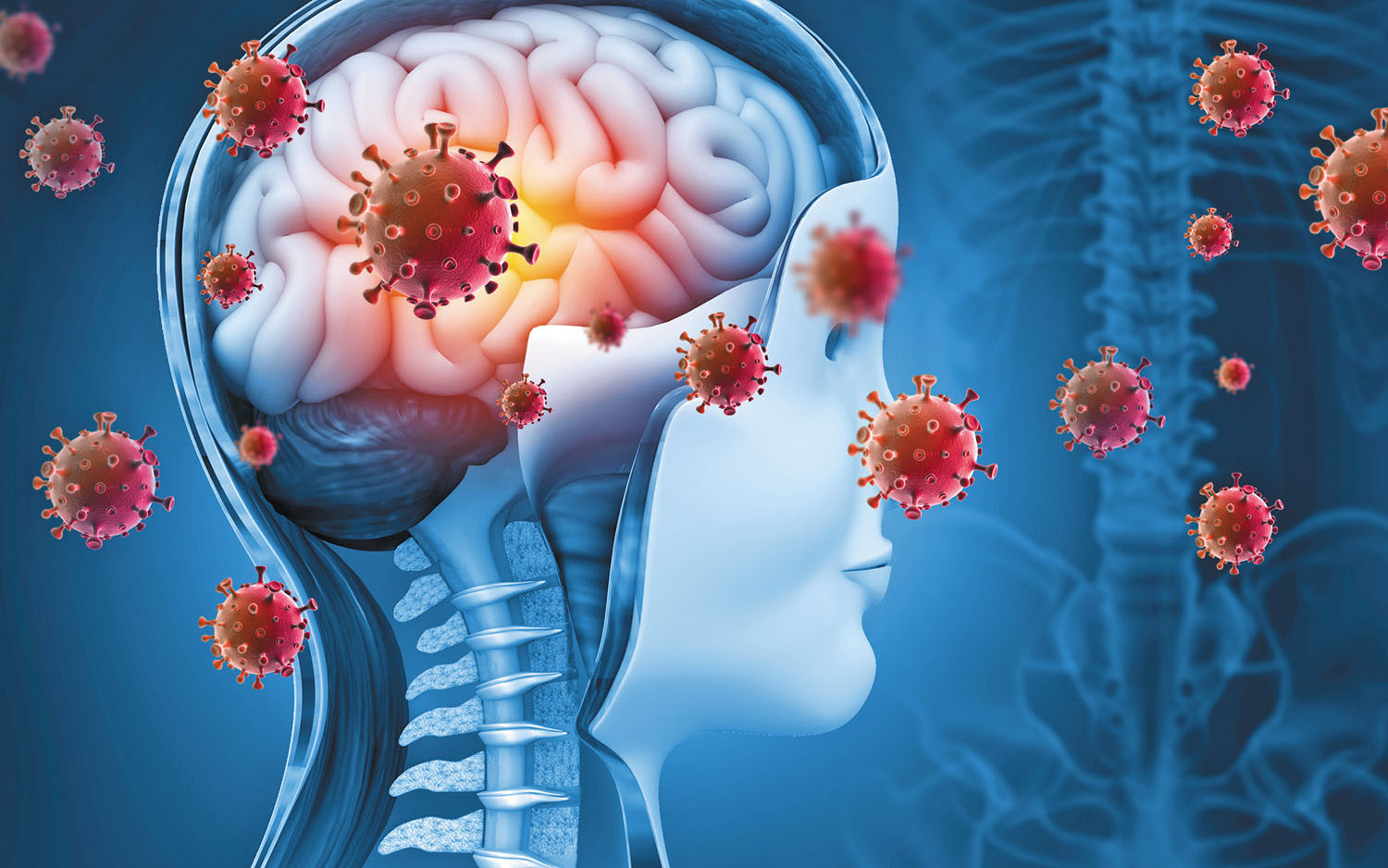
The COVID-19 pandemic has left an indelible mark on the world. While millions of people have successfully recovered from the acute phase of the virus, a significant number are now facing lingering effects that can last for months or even years. The phenomenon, often referred to as Long COVID, encompasses a wide range of symptoms that continue to affect individuals long after the initial infection has passed. From fatigue and brain fog to cardiovascular issues and mental health challenges, the long-term effects of COVID-19 are as diverse as the virus itself.
As we continue to understand this complex condition, it’s crucial to not only focus on recovery but also to identify behaviors and habits that could potentially worsen or prolong these long-term effects. In the pursuit of long-term health and well-being, there are certain things that individuals must avoid in order to ensure a full recovery and maintain lasting success in managing COVID-19’s aftereffects. In this article, we’ll explore the key pitfalls to avoid when dealing with Long COVID, and how being mindful of these factors can improve your chances of long-term success.
1. Neglecting Rest and Recovery
One of the most common mistakes people make when dealing with Long COVID is pushing themselves too hard in an attempt to return to “normal.” While it is understandable to want to get back to one’s regular routine, especially after months of isolation and illness, neglecting proper rest and recovery can exacerbate symptoms and prolong recovery.
Why it matters: Fatigue is one of the hallmark symptoms of Long COVID, and overexertion can lead to more severe fatigue, brain fog, and a prolonged recovery time. Rest isn’t just about taking a break from physical activities; it’s also about giving your body the mental space it needs to heal. When people push themselves too hard or too quickly, they risk triggering what’s known as the “post-exertional malaise”, a worsening of symptoms after physical or mental effort.
What to do instead: The key to recovery from Long COVID lies in pacing oneself. A slow return to activity, combined with regular breaks and self-care, is critical. It’s also essential to get adequate sleep, as the body does most of its repair and healing during rest. Try creating a balanced routine that allows for both rest and gentle activities, such as walking or light stretching, which can help rebuild strength over time without overwhelming your system.
2. Ignoring Mental Health Struggles
The psychological impact of COVID-19 is undeniable. Many individuals who have had COVID-19 experience anxiety, depression, PTSD, and other mental health challenges in the aftermath. Ignoring these issues or dismissing them as “just a phase” can lead to worsened symptoms and greater difficulty recovering. The mind and body are intricately connected, and mental health issues can directly impact physical well-being.
Why it matters: Long COVID is not only a physical condition but also a mental one. Symptoms such as brain fog, memory lapses, and concentration difficulties can be linked to the toll COVID-19 takes on the brain, but these cognitive issues can be compounded by untreated mental health struggles. Anxiety and depression, for example, can make it more difficult for people to engage in rehabilitation activities, practice self-care, or even maintain proper social connections.
What to do instead: Prioritizing mental health is essential for long-term recovery. Seeking therapy, engaging in mindfulness practices, and connecting with support groups can provide emotional and psychological support. Additionally, if symptoms such as anxiety or depression persist, a healthcare provider should be consulted for possible treatment, such as counseling or medication. Approaching mental health with the same seriousness as physical health will make it easier to address the full spectrum of Long COVID’s effects.
3. Overlooking the Importance of Nutrition
Another common pitfall in the recovery process is neglecting proper nutrition. While the focus tends to be on managing physical symptoms or mental health, it’s easy to overlook the critical role that diet plays in the body’s ability to heal and regenerate. COVID-19 can lead to a weakened immune system and nutritional deficiencies, which may worsen long-term health problems if left unaddressed.
Why it matters: Nutrition plays a central role in immune function, energy levels, and mental clarity—all areas that are often impacted by Long COVID. A deficiency in key nutrients such as vitamins D and C, zinc, and omega-3 fatty acids can hinder the body’s ability to recover. In addition, poor nutrition can lead to chronic inflammation, which is a common issue in Long COVID and can exacerbate symptoms like fatigue and muscle pain.
What to do instead: Focus on a well-balanced, anti-inflammatory diet rich in fruits, vegetables, whole grains, lean proteins, and healthy fats. Incorporate foods that boost the immune system, such as citrus fruits, leafy greens, and fatty fish. Additionally, consider consulting a nutritionist or dietitian who can help you identify any potential nutritional gaps in your diet and recommend specific supplements if necessary. Staying hydrated is also crucial, as dehydration can worsen fatigue and cognitive issues.
4. Ignoring Medical Advice and Delaying Healthcare Appointments
It’s tempting to avoid or delay doctor’s appointments, especially if symptoms seem to fluctuate or improve over time. However, ignoring medical advice or avoiding follow-up appointments can prevent timely interventions and ongoing care that are essential for managing Long COVID. As research on Long COVID is still evolving, healthcare professionals may have updated guidelines and treatment options that can make a significant difference in the recovery process.
Why it matters: Long COVID is a complex and multifaceted condition that affects various organs and systems in the body, from the lungs and heart to the brain and nervous system. Ignoring symptoms or not seeking proper medical guidance could lead to complications, especially if the condition worsens or if new symptoms emerge. Early intervention and continuous monitoring are crucial for preventing long-term damage and managing symptoms effectively.
What to do instead: Stay in close communication with your healthcare provider, particularly if you experience new or worsening symptoms. Regular check-ups, even if they seem unnecessary, can help catch potential issues early and prevent them from becoming more serious. Be open with your doctor about all the symptoms you are experiencing, and don’t hesitate to ask about the latest research, treatment options, and rehabilitation strategies that might be available to you.
5. Avoiding Social Connections and Isolation
One of the unintended consequences of the pandemic has been the rise in social isolation, which can significantly affect both mental and physical well-being. While it’s crucial to avoid overexertion, it’s equally important to maintain social connections, especially for those experiencing Long COVID. Social isolation can lead to depression, anxiety, and a feeling of disconnection, which can further worsen physical symptoms.
Why it matters: Long-term isolation can create a vicious cycle, where mental health issues worsen, leading to even more physical fatigue and a lack of motivation to engage in recovery activities. The psychological strain of isolation can interfere with the brain’s ability to heal and maintain clarity, contributing to cognitive dysfunction and stress.
What to do instead: Engage in safe, supportive social interactions. If possible, join online support groups or reach out to friends and family for virtual meetings. Connecting with others who understand your experience can alleviate feelings of loneliness and help provide emotional strength. Even small, supportive social exchanges can have a positive impact on your overall well-being and accelerate recovery.
6. Relying on Unverified Treatments or Supplements
Given the complexity and novelty of Long COVID, many individuals may be tempted to try unverified treatments or supplements that promise quick fixes. Whether it’s a new drug, herbal remedy, or alternative therapy, jumping on the latest trend without adequate scientific support can potentially do more harm than good.
Why it matters: Many of these treatments have not been rigorously tested or proven to be effective for Long COVID. Worse, some unregulated treatments or supplements may interact with prescribed medications or exacerbate underlying conditions, leading to unintended health consequences.
What to do instead: Always consult with your healthcare provider before trying new treatments or supplements. Stick to evidence-based practices that have been proven to support Long COVID recovery. If you’re interested in alternative therapies, make sure they are backed by reputable research and, ideally, prescribed by a licensed healthcare professional.
Conclusion
The long-term effects of COVID-19 are complex and multifaceted, but with careful management and adherence to ethical and scientifically-backed practices, recovery is possible. Avoiding overexertion, neglecting mental health, improper nutrition, ignoring medical advice, isolation, and unverified treatments are key areas that can significantly impact long-term recovery. By pacing yourself, seeking professional guidance, and staying connected, you can mitigate the negative effects of Long COVID and set yourself up for success in achieving long-term health and well-being. Recovery may take time, but by taking a mindful, holistic approach, it is possible to regain strength and thrive in the post-COVID world.