

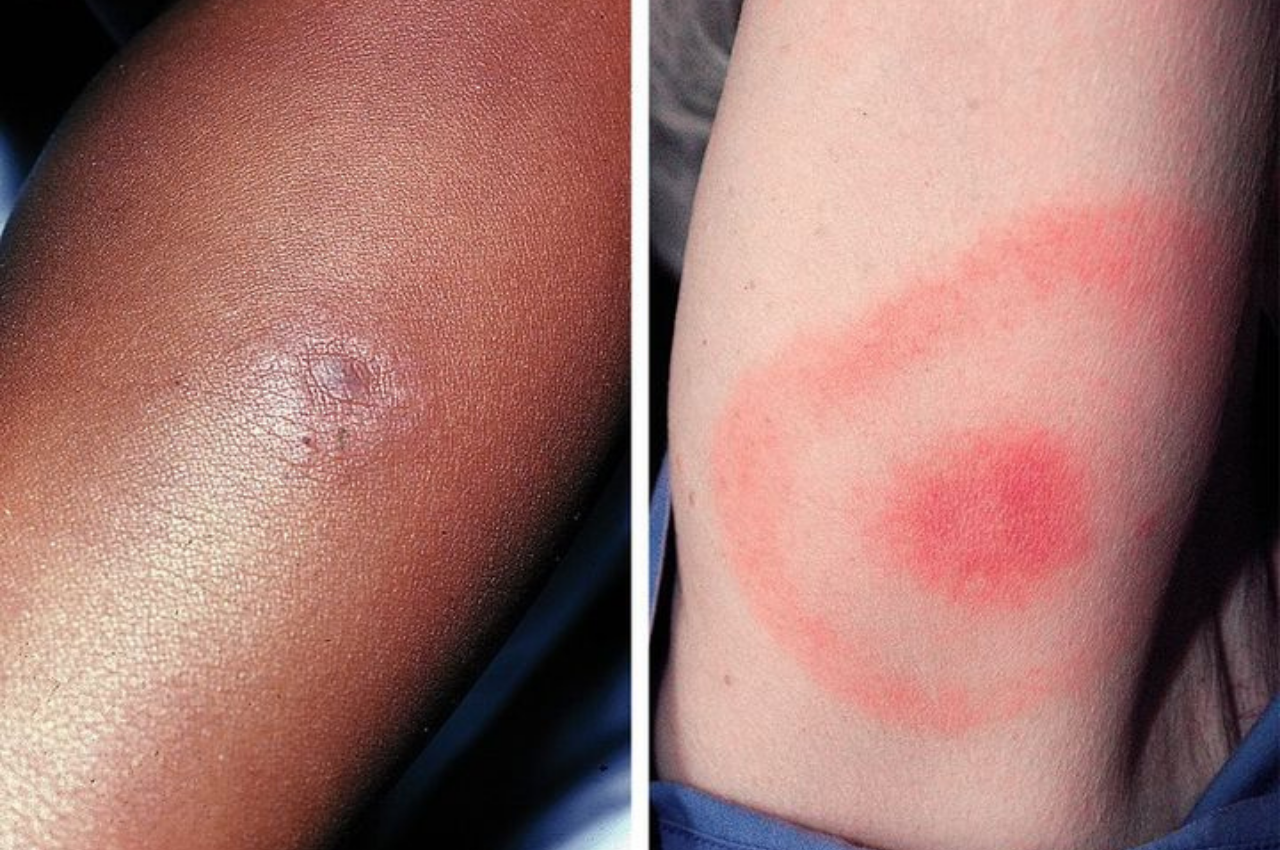
Lyme disease is one of the most common tick-borne illnesses worldwide, yet it remains widely misunderstood. The difference between early treatment and delayed care can mean the difference between a short course of antibiotics and years of persistent health problems. Understanding how Lyme disease progresses is essential for prevention, timely diagnosis, and long-term wellbeing.
Understanding Lyme Disease
Lyme disease is caused by the bacterium Borrelia burgdorferi and is transmitted to humans through the bite of infected black-legged ticks. Infection often begins subtly, making early recognition challenging.
Key factors influencing disease progression include:
-
Duration of tick attachment
-
Speed of diagnosis
-
Appropriateness of treatment
When addressed early, Lyme disease is typically highly treatable. When missed or undertreated, it may evolve into more complex, chronic complications.
Early-Stage Lyme Disease and the Power of Prompt Treatment
Common Early Symptoms
Early Lyme disease usually appears within 3 to 30 days after a tick bite. Symptoms may resemble a mild viral illness, which often leads to delayed care.
Typical early signs include:
-
A circular or expanding rash (often called erythema migrans)
-
Fatigue and malaise
-
Fever and chills
-
Headaches
-
Muscle and joint aches
-
Swollen lymph nodes
Notably, not everyone develops the classic rash, which makes awareness of other symptoms critical.
Why Early Treatment Matters
Prompt antibiotic treatment during this stage can:
-
Eliminate the infection completely
-
Prevent bacterial spread to joints, nerves, and organs
-
Reduce the risk of lingering symptoms
Most patients treated early recover fully within weeks, with no long-term consequences.
When Lyme Disease Becomes Chronic
What Is Chronic Lyme Disease?
Chronic or late-stage Lyme disease refers to persistent symptoms that last months or years after initial infection, particularly when early treatment was delayed or inadequate.
These complications arise when bacteria spread beyond the initial infection site and trigger prolonged immune responses.
Long-Term Complications
Chronic Lyme disease can affect multiple body systems, leading to symptoms such as:
-
Persistent joint inflammation, especially in the knees
-
Neurological issues including numbness, memory problems, and difficulty concentrating
-
Heart rhythm disturbances
-
Severe fatigue that interferes with daily life
-
Mood changes, including anxiety or depression
These symptoms can fluctuate, often worsening during periods of stress or illness.
Post-Treatment Lyme Disease Syndrome (PTLDS)
Some individuals continue to experience symptoms even after completing appropriate antibiotic therapy. This condition is known as Post-Treatment Lyme Disease Syndrome.
Key characteristics include:
-
Ongoing fatigue
-
Musculoskeletal pain
-
Cognitive difficulties
PTLDS is not caused by active infection but is believed to result from immune system dysregulation or residual tissue damage.
Early Treatment vs. Chronic Complications: A Clear Comparison
Early Treatment Outcomes
-
High recovery rates
-
Short-term antibiotic use
-
Minimal disruption to daily life
-
Low risk of long-term health issues
Chronic Complication Outcomes
-
Prolonged symptoms
-
Repeated medical visits
-
Potential disability or reduced quality of life
-
Emotional and psychological strain
This contrast highlights why early detection and intervention are crucial.
Prevention and Early Action Strategies
Reducing Lyme disease risk starts with prevention and vigilance.
Protective measures include:
-
Wearing long sleeves and pants in wooded or grassy areas
-
Using tick repellents on skin and clothing
-
Performing thorough tick checks after outdoor activities
-
Removing ticks promptly with fine-tipped tweezers
If symptoms appear after a tick bite or outdoor exposure, seeking medical advice early can prevent long-term complications.
Frequently Asked Questions
1. Can Lyme disease go away without treatment?
In some cases, symptoms may temporarily lessen, but the infection often persists and can progress to more serious stages without treatment.
2. How soon should a tick be removed to prevent infection?
Removing a tick within 24 hours significantly reduces the risk of transmission, as bacteria typically require time to enter the bloodstream.
3. Is chronic Lyme disease contagious?
No, Lyme disease cannot be transmitted from person to person through casual contact.
4. Can children develop chronic Lyme disease?
Yes, children can experience chronic symptoms if early infection is missed or untreated, though early care greatly improves outcomes.
5. Are blood tests reliable in early Lyme disease?
Early tests may be negative because antibodies take time to develop, which is why clinical symptoms are equally important for diagnosis.
6. Does everyone with Lyme disease get the bull’s-eye rash?
No, a significant number of patients never develop or notice the characteristic rash.
7. Can Lyme disease affect mental health?
Yes, long-term symptoms may contribute to mood changes, anxiety, and cognitive difficulties, particularly in chronic cases.