

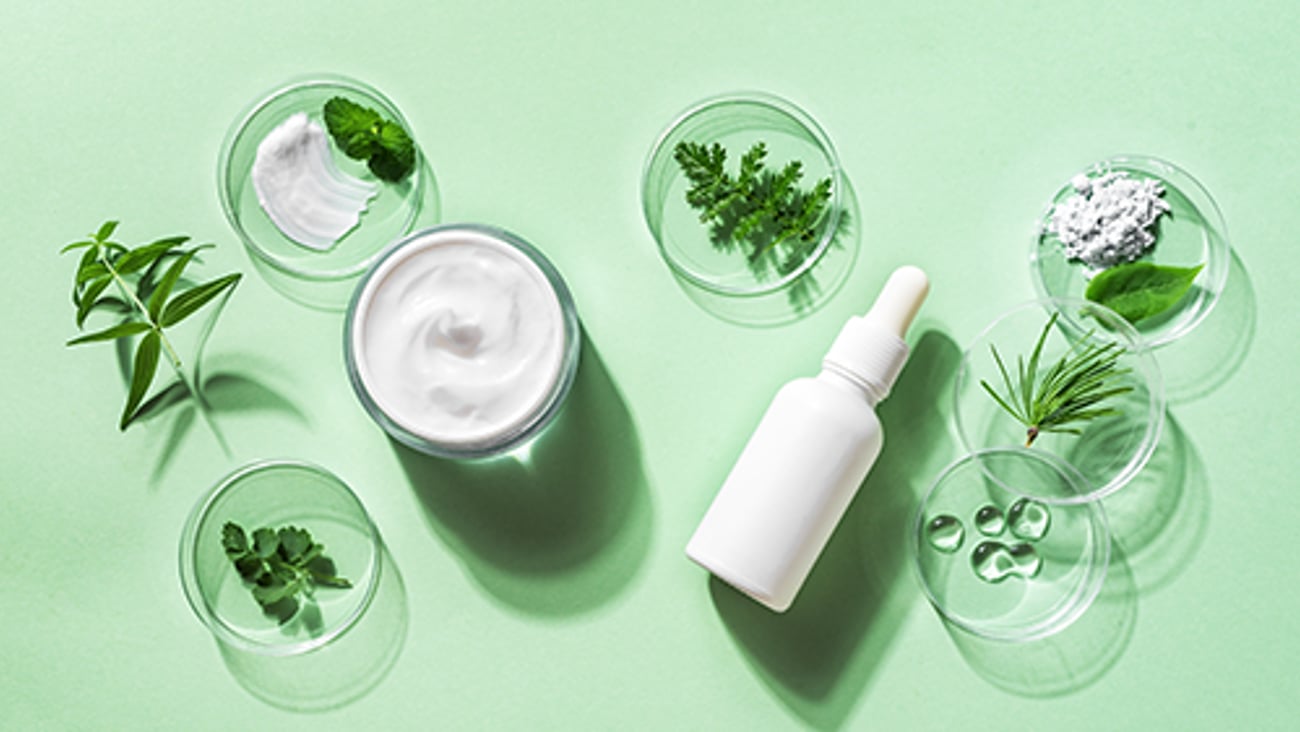
The beauty industry has undergone a seismic shift over the past decade. One of the most notable trends is the rise of the clean beauty movement. Consumers are increasingly prioritizing natural ingredients, transparency, and sustainability in their skincare and cosmetic choices. However, with this surge in popularity comes a proliferation of myths and misconceptions that can confuse and even mislead consumers. Among these myths are some that claim to save time and simplify beauty routines—ideas that, while appealing, are not always grounded in fact. Understanding the key factors that influence these myths is essential for making informed decisions that not only align with personal values but also truly benefit the skin.
The Clean Beauty Boom
Clean beauty is often defined by products that are free from potentially harmful chemicals, synthetic fragrances, and other controversial ingredients like parabens, sulfates, phthalates, and mineral oils. These products are marketed as more “pure” or “safer,” emphasizing a back-to-basics approach that focuses on natural, organic, or sustainably sourced ingredients. The clean beauty movement is largely driven by a growing demand for transparency, ethical production, and a desire to avoid substances linked to health risks. The beauty industry’s increased focus on these ideals, however, has led to an oversaturation of products and claims that are sometimes too good to be true.
Myth #1: Clean Beauty Products Work Faster
One of the most pervasive myths in clean beauty is that natural products work more quickly or are more effective than their chemical-laden counterparts. This myth likely stems from the allure of simplicity. Natural ingredients, by their very nature, are often associated with gentleness and a sense of purity. When marketed as “fast-acting,” these products promise quick fixes and an accelerated glow-up. However, the reality is more nuanced.
Natural ingredients, while beneficial, often require more time to produce visible results. For example, organic oils, plant extracts, and herbal-based formulations tend to work gradually to nourish and restore balance to the skin. Unlike synthetic products with potent active ingredients such as retinol or glycolic acid, which can provide faster results, clean beauty alternatives often emphasize long-term, sustainable care.
Myth #2: Clean Beauty Is the Best Solution for All Skin Types
Another myth that is frequently perpetuated in the clean beauty space is the idea that natural products are universally effective. Proponents of clean beauty often claim that these products are suitable for every skin type, from dry to oily, sensitive to acne-prone. While the gentle formulations of clean beauty products are indeed a great choice for many individuals, they may not always be the best fit for every skin concern.
For instance, acne-prone skin may benefit from more potent chemical treatments like benzoyl peroxide or salicylic acid, which are often excluded from clean beauty products in favor of gentler alternatives. Similarly, individuals with extremely dry skin might need products that contain heavier, more occlusive ingredients—something that natural oils might not always provide. This myth oversimplifies the complexity of skincare and can mislead consumers into thinking that clean beauty is a one-size-fits-all solution.
Myth #3: Clean Beauty Products Are Always Better for the Environment
The assumption that clean beauty products are inherently more sustainable or eco-friendly is another widespread myth. While many clean beauty brands emphasize their commitment to sustainability, it’s crucial to understand that not all clean products are created equally. Sustainability in beauty involves more than just using natural ingredients; it encompasses the entire life cycle of the product, including sourcing, packaging, and waste disposal.
The myth that clean beauty products are automatically better for the environment can lead consumers to overlook other important factors, such as the environmental impact of packaging, the carbon footprint of ingredient production, or the use of unsustainable farming practices for certain botanicals. A clean product can still come in plastic packaging, be sourced irresponsibly, or require harmful agricultural practices. Thus, it is essential to research brands carefully and consider the broader environmental implications of each product.
Myth #4: Clean Beauty Means No Compromise on Performance
The notion that clean beauty products can provide the same high-performance results as their conventional counterparts without any compromise is another myth that can lead to unrealistic expectations. While clean beauty products often boast impressive formulations, the reality is that natural ingredients may not always deliver the same immediate results as more synthetic ones. Many ingredients in clean beauty products work on a molecular level that requires time and consistent use to show results, which may feel slow when compared to products with potent synthetic actives.
For example, vitamin C serums containing ascorbic acid, a popular ingredient in non-clean beauty products, deliver noticeable brightening and anti-aging results relatively quickly. In contrast, some clean beauty alternatives to vitamin C may use gentler botanical extracts that support skin health in a more gradual manner. While this may be ideal for some, it doesn’t mean that clean beauty products are always as “instantaneously effective” as those containing synthetic chemicals.
Myth #5: A Single Clean Beauty Product Will Solve Multiple Problems
The myth of the “one-size-fits-all” product is appealing for those seeking convenience and time-saving solutions. In clean beauty circles, there is a belief that a single product can address multiple skin concerns, such as hydration, anti-aging, and acne. While multi-functional products certainly exist and are often marketed as time-saving miracles, it is essential to approach such claims with skepticism.
Skin is a complex organ, and different concerns often require different treatments. For example, a moisturizer with added anti-aging ingredients may hydrate the skin but not necessarily address pigmentation or acne. Clean beauty brands often capitalize on the idea of multi-tasking products, but they cannot always live up to the promise of a one-stop-shop solution. A truly effective skincare routine usually requires targeted products for specific concerns, not just an all-in-one “miracle” product.
The Real Secret to Saving Time: Prioritize Education and Personalization
The key to saving time in your beauty routine lies not in buying into the myths but in becoming a savvy, educated consumer. Instead of focusing on buzzwords like “clean” or “natural,” prioritize personalized skincare based on your skin’s unique needs. Learning about ingredient efficacy, understanding your skin type, and reading labels carefully can save you far more time in the long run than relying on trendy claims. Additionally, integrating effective and simple routines, with the right products for your skin’s concerns, can often lead to better results with less time spent.
Conclusion
The clean beauty movement has revolutionized the way we think about skincare and cosmetics, encouraging healthier, more transparent, and sustainable choices. However, with this transformation comes a plethora of myths that can complicate our decision-making process. Myths about fast results, universal suitability, environmental friendliness, and multitasking products all have one thing in common—they oversimplify the diverse and nuanced world of skincare.
To truly save time and make the best choices for your beauty routine, it’s essential to separate fact from fiction. Instead of seeking shortcuts or miraculous all-in-one solutions, invest in learning about the ingredients that work best for your skin. With this knowledge, you’ll be able to navigate the clean beauty landscape with confidence, saving both time and money while also making choices that are right for you.