

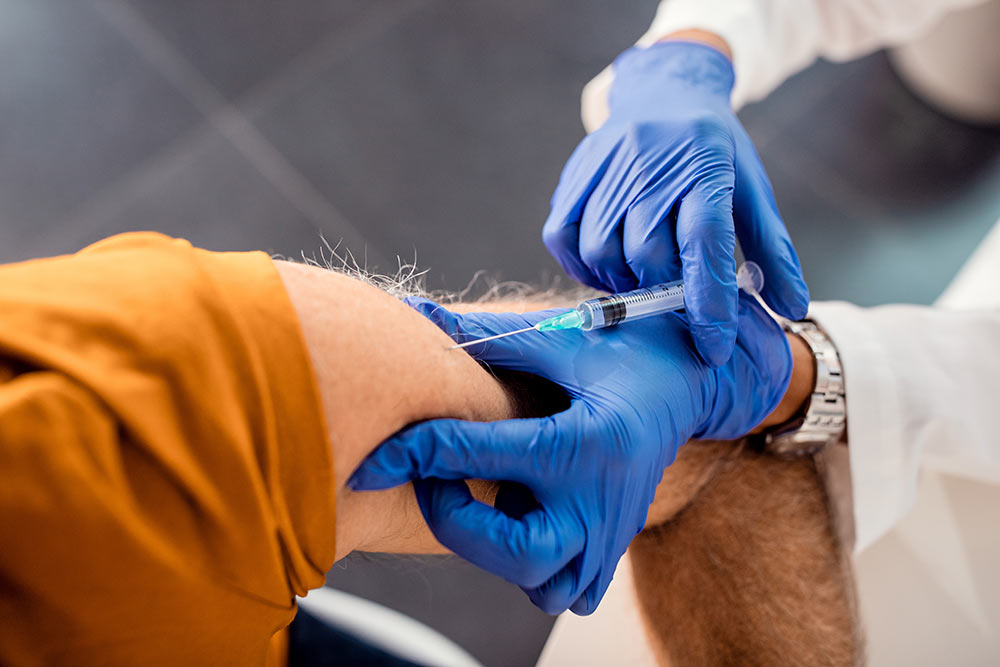
Phuket draws millions of visitors every year, and with them comes close contact with the island’s large population of stray dogs, cats, and monkeys. A quick scratch from a friendly-looking dog or a nip from a beach cat can seem minor in the moment. But in Thailand, where rabies is still present in animal populations, that small wound deserves immediate attention. Knowing where to get an anti-rabies vaccine could genuinely save your life.
The rabies virus moves along nerve fibres toward the brain. Once it reaches the central nervous system and symptoms appear, survival is near impossible. This is what makes the first 24 hours so important. Anti-rabies vaccination after exposure works by triggering your immune response before the virus travels too far. The sooner treatment begins, the more effective it is. Waiting even a day or two reduces your chances of protection.
Tetanus is a second concern that often gets overlooked after an animal bite. Any wound that breaks the skin, especially from teeth, claws, or rough surfaces can introduce Clostridium tetani bacteria. Thailand’s warm climate and outdoor environment create conditions where tetanus risk is real. When you go to get an anti-rabies vaccine, it is worth asking a healthcare provider to check your tetanus status at the same time. If your last booster was more than five years ago, a top-up is likely recommended.
What to Do Immediately After a Bite or Scratch
Your first action should happen before you reach a clinic. Wash the wound thoroughly with soap and clean running water for at least 15 minutes. This step alone can remove a significant amount of virus or bacteria from the wound site and is a standard part of the public health response in Thailand.
After washing, get to a hospital or clinic the same day. Do not wait to see how the wound looks or feels. A doctor will assess the injury, ask about the animal involved, and recommend the right course of treatment.
What Treatment Involves
For rabies exposure, post-exposure prophylaxis (PEP) typically includes a series of vaccine injections given over 14 days. In cases involving deep bites or wounds close to the head and neck, rabies immunoglobulin may also be given at the first visit. This provides immediate, short-term protection while the vaccine builds a longer-term immune response.
For tetanus, a single booster injection is usually enough if you have been vaccinated before. If your vaccination history is incomplete, a full course may be required.
A Practical Reminder for Your Time in Phuket
Even a small animal interaction can change quickly. Avoid petting stray animals, supervise children around street dogs, and keep a note of your vaccination history before you travel.
If a bite or scratch does happen, stay calm, wash the wound straight away, and get to a medical facility that same day. Acting within the first 24 hours gives you the strongest possible protection — and that makes all the difference.