

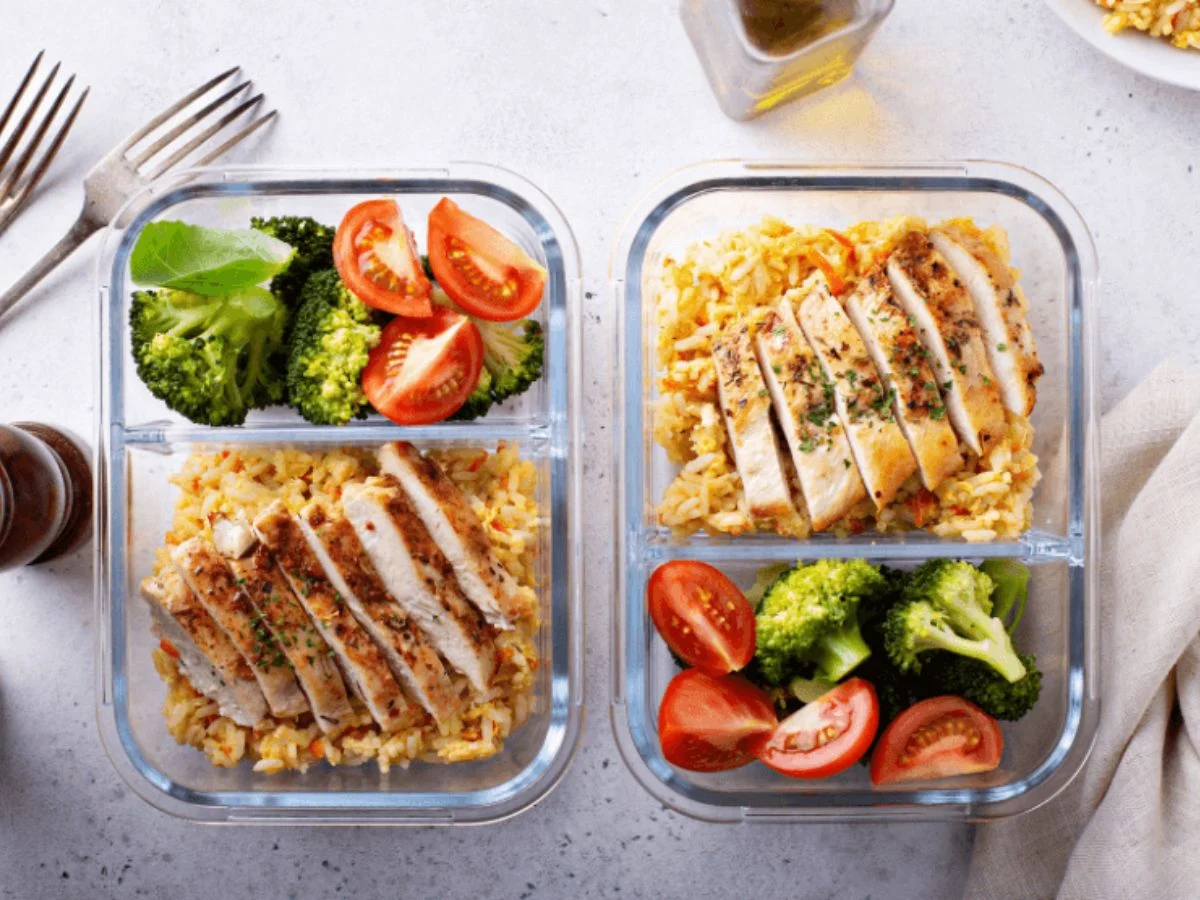
Portion control is often misunderstood as strict dieting or eating less for the sake of weight loss. In reality, it’s about eating the right amount for your body’s needs, not depriving yourself. When practiced consistently, portion control influences far more than your waistline—it affects digestion, energy levels, metabolism, and long-term health.
Understanding Portion Control Beyond Calories
Portion control isn’t only about counting calories. It’s about awareness—recognizing how much food your body actually requires versus how much you’re used to eating.
Modern portion sizes have quietly expanded over the years. Plates are larger, packaged foods contain multiple servings, and restaurant meals are often designed to be oversized. Over time, this distorts our internal hunger cues.
Key distinction to remember:
-
Serving size: A standardized measurement (often listed on nutrition labels)
-
Portion size: The amount you actually put on your plate
When portion sizes consistently exceed serving sizes, overconsumption becomes effortless and unnoticed.
How Portion Control Affects Your Body
It Supports Healthy Digestion
Eating large portions forces your digestive system to work harder. This can lead to:
-
Bloating and discomfort
-
Acid reflux
-
Sluggish digestion
Smaller, balanced portions allow your body to digest food more efficiently and comfortably.
It Helps Regulate Blood Sugar Levels
Large portions—especially of refined carbohydrates—can cause sharp blood sugar spikes followed by crashes. Portion control helps:
-
Maintain steady energy levels
-
Reduce cravings
-
Support insulin sensitivity
This is particularly important for preventing long-term metabolic issues.
Portion Control and Weight Management
Many people focus on what they eat while ignoring how much they eat. Even nutritious foods can contribute to weight gain when consumed in excessive portions.
Portion control works because it:
-
Creates a natural calorie balance without strict rules
-
Encourages mindful eating
-
Reduces the likelihood of overeating “healthy” foods
Unlike crash diets, portion control is sustainable and adaptable to different lifestyles.
The Psychological Side of Portion Control
It Retrains Hunger and Fullness Cues
Eating oversized portions regularly dulls your ability to recognize fullness. By reducing portions gradually, you help your body relearn when it’s truly satisfied.
It Reduces Food Guilt
When no foods are labeled as “off-limits,” eating becomes less stressful. Portion control allows you to:
-
Enjoy treats mindfully
-
Avoid the binge–restrict cycle
-
Build a healthier relationship with food
This mental shift is just as valuable as the physical benefits.
Practical Ways to Practice Portion Control Daily
You don’t need a scale or measuring cups for every meal. Simple habits make a big difference.
Effective strategies include:
-
Using smaller plates and bowls
-
Filling half your plate with vegetables
-
Eating slowly and without distractions
-
Serving food once instead of eating straight from packages
-
Checking hunger levels before going for seconds
Consistency matters more than perfection.
Why Portion Control Is More Sustainable Than Dieting
Diets often rely on restriction, which can backfire over time. Portion control, on the other hand:
-
Fits into social situations
-
Doesn’t eliminate food groups
-
Can be maintained long-term
It’s a skill—not a temporary plan—that grows stronger with practice.
Long-Term Health Benefits You Might Not Expect
Over time, proper portion control may help:
-
Reduce risk of heart disease
-
Support joint health by managing weight load
-
Improve sleep quality
-
Lower inflammation levels
Small daily choices compound into significant health outcomes.
Frequently Asked Questions (FAQ)
1. Is portion control the same as eating less?
No. Portion control is about eating appropriate amounts, not necessarily eating less overall. Some people may even need larger portions of certain foods.
2. Can I still enjoy my favorite foods with portion control?
Yes. Portion control allows flexibility, making room for indulgent foods in reasonable amounts without guilt.
3. How long does it take to adjust to smaller portions?
Most people notice improved hunger awareness within 2–3 weeks of consistent practice.
4. Does portion control work without exercise?
Yes. While exercise enhances health benefits, portion control alone can positively impact weight and metabolism.
5. Are portion sizes the same for everyone?
No. Portion needs vary based on age, activity level, metabolism, and health goals.
6. How do I know when I’m truly full?
Eating slowly, pausing mid-meal, and checking in with your hunger levels help you recognize fullness more accurately.
7. Is portion control suitable for children?
Yes, when done gently and without restriction. Teaching balanced portions helps children develop lifelong healthy eating habits.