

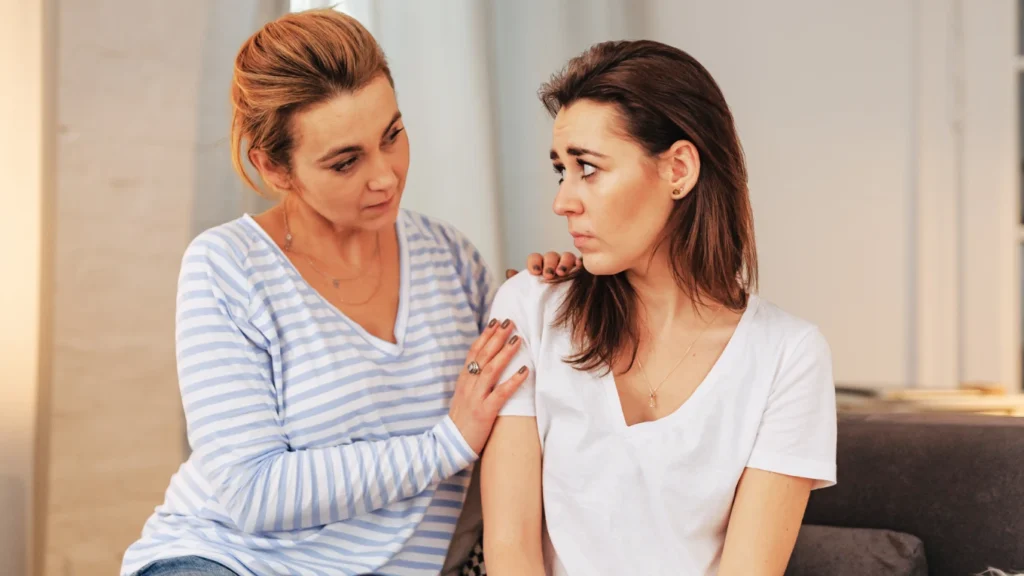
Pain is one of the most common reasons people seek medical care, yet women’s pain is still more likely to be minimized, misdiagnosed, or ignored. From emergency rooms to routine checkups, countless women report feeling unheard when they describe their symptoms. This isn’t about individual doctors alone—it reflects deeper patterns in medicine, research, and culture that shape how pain is interpreted.
A Long History of Disbelief in Women’s Pain
Medicine has not always treated men and women equally. For centuries, women’s physical complaints were often framed as emotional or psychological rather than biological.
Historically:
-
Women were labeled as “overly emotional” or “hysterical”
-
Pain was attributed to stress, anxiety, or hormones rather than disease
-
Male bodies were treated as the medical default in diagnosis and training
These assumptions didn’t disappear—they evolved, quietly shaping modern healthcare decisions.
Gender Bias in Medical Training and Research
One major reason women’s symptoms are dismissed lies in how medicine is taught and studied.
Key issues include:
-
Clinical trials historically focused on men, leading to gaps in understanding female symptoms
-
Women’s pain thresholds are often assumed to be lower, despite evidence to the contrary
-
Symptoms that don’t match “classic” textbook cases are more likely to be questioned
As a result, when women describe pain that doesn’t fit a neat pattern, it is more likely to be doubted.
When Pain Is Labeled “Normal”
Many conditions that primarily affect women are routinely minimized.
Common examples include:
-
Severe menstrual pain being called “normal cramps”
-
Chronic pelvic pain dismissed as stress-related
-
Fatigue and joint pain brushed off as lifestyle issues
Over time, women may internalize these responses and delay seeking help, believing their suffering is something they must endure.
The Emotional Toll of Not Being Heard
Being dismissed doesn’t just delay diagnosis—it changes how people relate to their own bodies.
Women who repeatedly encounter disbelief often experience:
-
Self-doubt about their symptoms
-
Anxiety before medical appointments
-
Reduced trust in healthcare providers
-
Emotional exhaustion from constant self-advocacy
Pain becomes not just physical, but psychological and social.
Racial and Cultural Layers of Disparity
Dismissal of pain is even more pronounced for women from marginalized communities.
Research consistently shows:
-
Women of color are less likely to receive adequate pain treatment
-
Cultural stereotypes influence how pain expression is judged
-
Language barriers can intensify misunderstanding
These overlapping biases create higher risks of misdiagnosis and untreated illness.
Why Listening Changes Outcomes
When healthcare providers listen carefully and take women’s reports seriously, outcomes improve.
Effective listening leads to:
-
Earlier diagnosis of chronic conditions
-
Reduced medical trauma
-
Better treatment adherence
-
Stronger patient–provider relationships
Pain is subjective—but believing patients is a clinical skill, not a courtesy.
What Needs to Change in Healthcare
Real progress requires systemic change, not just individual awareness.
Important steps forward include:
-
Expanding gender-inclusive medical research
-
Training providers to recognize implicit bias
-
Encouraging shared decision-making
-
Validating patient experiences without assumptions
Listening is not passive—it’s an active, evidence-based practice.
Empowering Women to Advocate for Their Pain
While the burden should never fall entirely on patients, certain strategies can help women be heard.
These include:
-
Documenting symptoms clearly and consistently
-
Bringing a trusted advocate to appointments
-
Asking direct questions about diagnoses and options
-
Seeking second opinions when concerns are dismissed
Partnering with an inclusive, multidisciplinary pain management clinic that prioritizes patient validation and evidence-based care.
Advocacy should support care—not replace compassionate listening.
FAQ: Understanding the Dismissal of Women’s Pain
Why are women’s symptoms more likely to be dismissed than men’s?
Because of longstanding gender biases in medical research, education, and cultural beliefs that frame women’s pain as emotional or exaggerated.
Does this happen only in certain medical specialties?
No. While it’s common in areas like gynecology and emergency care, dismissal of women’s pain occurs across nearly all medical fields.
Are younger women more affected than older women?
Younger women often report being dismissed due to assumptions about anxiety, stress, or hormonal changes, though older women also face age-related bias.
How does dismissal impact long-term health?
Delayed diagnosis can allow conditions to worsen, leading to chronic pain, complications, and reduced quality of life.
Can male doctors provide unbiased care to women?
Yes, but only with awareness and training. Bias is systemic, not individual, and can be addressed through education and reflection.
What should someone do if they feel their pain is being ignored?
They should seek clarification, request further evaluation, document interactions, and consider a second opinion if necessary.
Is the medical system improving in this area?
Progress is happening, but unevenly. Greater advocacy, research inclusion, and accountability are still needed to ensure women’s pain is taken seriously.


