

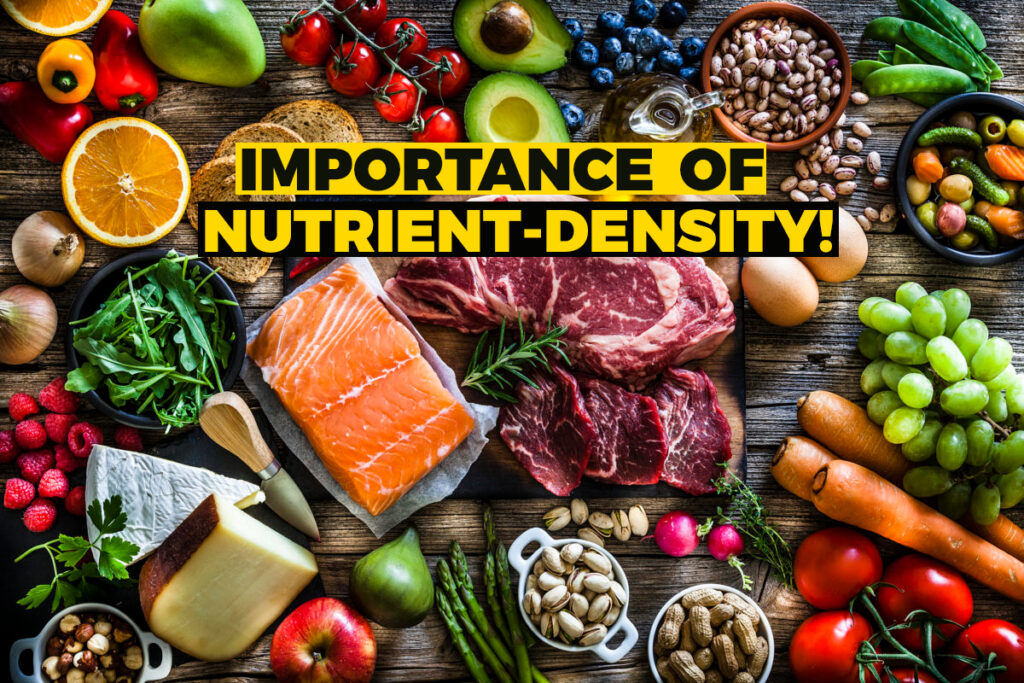
In a world full of calorie counts and restrictive diets, nutrient density offers a smarter, more sustainable way to eat. Instead of focusing on how little you consume, nutrient density emphasizes how much nourishment you get from every bite. This approach allows you to eat satisfying portions while still supporting weight management, energy levels, and long-term health.
What Is Nutrient Density?
Nutrient density refers to the amount of essential nutrients a food provides relative to its calorie content. Foods that are nutrient-dense deliver high levels of vitamins, minerals, fiber, and beneficial compounds with relatively few calories.
In contrast, calorie-dense foods may provide lots of energy but little nutritional value.
Simple Comparison
-
Nutrient-dense: Leafy greens, berries, beans, eggs, fish
-
Calorie-dense: Sugary snacks, refined pastries, fried foods
The goal is not to eat less food, but to eat foods that give your body more.
Why Nutrient Density Matters
Choosing nutrient-dense foods supports both physical health and mental well-being. When your body receives the nutrients it needs, cravings decrease and energy stabilizes.
Key Benefits
-
Improved satiety: Fiber and protein keep you full longer
-
Better nutrient intake: Supports immunity, metabolism, and brain health
-
Weight management: Fewer empty calories without strict restriction
-
Stable energy levels: Reduced blood sugar spikes and crashes
Eating More Food Without Overeating Calories
One of the biggest advantages of nutrient-dense eating is volume. Many whole foods contain water and fiber, allowing you to eat generous portions while keeping calories moderate.
High-Volume, Low-Calorie Foods
-
Vegetables (spinach, broccoli, zucchini, peppers)
-
Fruits (berries, oranges, apples)
-
Legumes (lentils, chickpeas, black beans)
-
Lean proteins (fish, eggs, tofu, chicken breast)
These foods physically fill your plate and stomach, helping you feel satisfied without excess energy intake.
Nutrient Density vs. Diet Culture
Traditional dieting often encourages restriction, which can backfire. Nutrient density flips that mindset by focusing on addition rather than subtraction.
Instead of asking:
-
“What should I cut out?”
You begin asking:
-
“What nutrient-rich foods can I add to this meal?”
This subtle shift promotes a healthier relationship with food and makes habits easier to maintain.
How to Identify Nutrient-Dense Foods
Not all healthy-sounding foods are equally nutritious. Learning to recognize nutrient density empowers smarter choices.
Practical Guidelines
-
Choose whole foods over highly processed options
-
Look for color variety on your plate
-
Check ingredient lists: Fewer ingredients usually means higher quality
-
Prioritize fiber and protein per calorie
A colorful plate often signals a diverse range of micronutrients.
Building Meals Around Nutrient Density
You don’t need a perfect diet to benefit from nutrient density. Small, consistent changes make a big difference.
Simple Meal Upgrades
-
Add leafy greens to sandwiches and wraps
-
Swap refined grains for whole grains
-
Include a vegetable in every meal
-
Use fruit to satisfy sweet cravings
Over time, these choices compound into noticeable improvements in health and energy.
Common Misconceptions About Nutrient-Dense Eating
Some people assume nutrient-dense diets are expensive or boring. In reality, staples like beans, eggs, seasonal produce, and frozen vegetables are both affordable and versatile.
Others believe eating more food will always lead to weight gain. When food quality improves, calorie control often happens naturally.
Final Thoughts
Understanding nutrient density transforms how you approach food. By prioritizing nourishment over restriction, you can eat more, feel better, and support your health without constant calorie counting. It’s not about eating less—it’s about eating smarter.
Frequently Asked Questions (FAQs)
1. Is nutrient-dense eating suitable for weight loss?
Yes. Nutrient-dense foods are typically lower in calories and higher in fiber and protein, which supports fullness and sustainable weight management.
2. Can nutrient-dense foods still be high in calories?
Some can be, such as nuts and avocados. They are still valuable but should be eaten mindfully due to their higher energy content.
3. Do I need to track calories when focusing on nutrient density?
Not necessarily. Many people find that prioritizing food quality naturally regulates calorie intake.
4. Are frozen fruits and vegetables nutrient-dense?
Yes. Frozen produce is often picked at peak ripeness and retains most of its nutrients.
5. How does nutrient density affect energy levels?
It provides steady fuel by supplying essential vitamins, minerals, and balanced macronutrients, reducing energy crashes.
6. Is nutrient-dense eating suitable for vegetarians and vegans?
Absolutely. Plant-based diets can be highly nutrient-dense when built around legumes, whole grains, vegetables, fruits, nuts, and seeds.
7. How long does it take to notice benefits from eating nutrient-dense foods?
Many people notice improved energy and reduced cravings within a few weeks, while long-term health benefits build over time.