

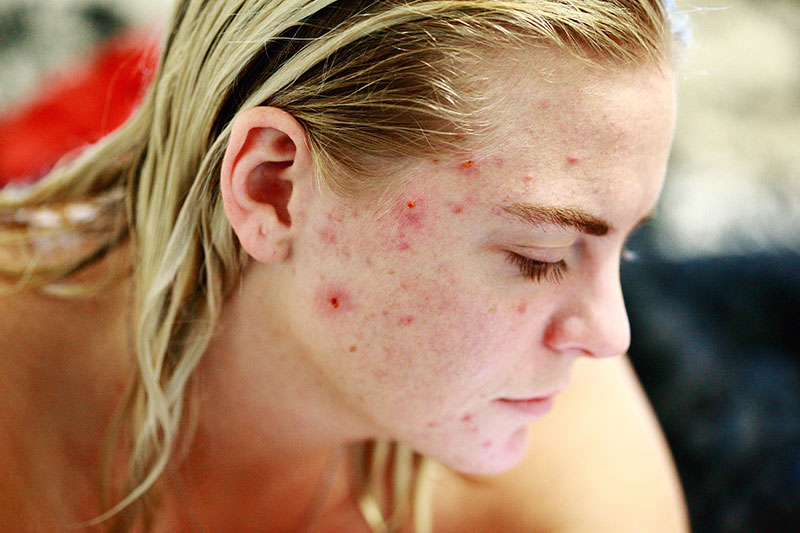
Stress is often dismissed as a purely mental or emotional experience, but its effects run much deeper. Your skin—your body’s largest and most visible organ—responds rapidly to internal pressure. From unexpected breakouts to persistent rashes and premature aging, stress can silently reshape how your skin looks, feels, and heals. Understanding this hidden connection is the first step toward healthier skin and a calmer mind.
How Stress Communicates With Your Skin
When the body perceives stress, it activates the fight-or-flight response. This triggers the release of hormones such as cortisol, adrenaline, and norepinephrine. While helpful in short bursts, prolonged exposure to these hormones disrupts normal skin function.
Cortisol, in particular, plays a major role in:
-
Increasing oil (sebum) production
-
Weakening the skin barrier
-
Slowing down skin repair and regeneration
-
Fueling inflammation
Over time, these changes create the perfect environment for chronic skin issues.
The Stress–Inflammation Cycle
Stress and inflammation feed into each other in a self-perpetuating loop. Psychological stress increases inflammatory markers in the body, and inflamed skin sends distress signals back to the nervous system. This explains why visible skin conditions often worsen during emotionally difficult periods.
Key outcomes of chronic inflammation include:
-
Redness and sensitivity
-
Delayed wound healing
-
Flare-ups of pre-existing skin conditions
-
Accelerated breakdown of collagen and elastin
Common Skin Conditions Triggered or Worsened by Stress
Acne and Breakouts
Stress stimulates sebaceous glands, leading to clogged pores and bacterial growth. Even individuals with previously clear skin may notice stress-induced acne during exams, deadlines, or emotional upheaval.
Eczema and Psoriasis
Both conditions are closely linked to immune system imbalance. Stress lowers the skin’s tolerance to irritants and allergens, making flare-ups more frequent and intense.
Hives and Rashes
Sudden stress can cause histamine release, resulting in itchy, raised welts or unexplained rashes that appear without warning.
Premature Aging
Chronic stress accelerates oxidative damage, reducing collagen production and increasing fine lines, dullness, and loss of elasticity.
The Gut–Brain–Skin Axis
Modern research highlights a powerful communication network known as the gut–brain–skin axis. Stress alters gut microbiota, increasing intestinal permeability and systemic inflammation. These internal changes often manifest externally as acne, rosacea, or sensitivity.
A stressed gut can mean stressed skin, even if your skincare routine is flawless.
Why Skincare Alone Isn’t Enough
Topical products treat surface symptoms, but stress-related skin problems often originate internally. Overusing harsh treatments can further compromise the skin barrier, worsening irritation.
A more effective approach combines external care with internal regulation, addressing both skin health and stress management.
Practical Ways to Protect Your Skin From Stress
Daily Habits That Make a Difference
-
Prioritize sleep to support skin repair cycles
-
Practice mindfulness or deep breathing to lower cortisol levels
-
Maintain balanced nutrition, focusing on antioxidants and omega-3 fatty acids
-
Engage in regular physical activity to improve circulation and hormone balance
Skin-Friendly Stress Management
-
Use gentle, barrier-supporting skincare
-
Avoid over-exfoliation during stressful periods
-
Incorporate calming ingredients like niacinamide, ceramides, and colloidal oatmeal
Consistency matters more than complexity when stress is involved.
The Emotional Impact of Skin Stress
Skin issues don’t just reflect stress—they can amplify it. Visible conditions may affect confidence, social comfort, and self-image, creating a feedback loop that keeps stress levels elevated.
Breaking this cycle requires compassion, patience, and a holistic view of health rather than chasing overnight fixes.
Listening to What Your Skin Is Telling You
Your skin often signals imbalance before other symptoms appear. Sudden changes in texture, tone, or sensitivity can be early indicators that stress levels are too high. Paying attention to these signs allows for earlier intervention—benefiting both mental well-being and physical appearance.
Frequently Asked Questions
Can stress alone cause skin problems even with good skincare?
Yes. Stress can disrupt hormones, immunity, and inflammation internally, leading to skin issues despite a solid external routine.
How long does it take for stress-related skin issues to improve?
This varies, but noticeable improvement often appears within a few weeks once stress levels are consistently reduced.
Is stress-induced acne different from hormonal acne?
They can overlap, but stress acne is primarily driven by cortisol and inflammation rather than cyclical hormonal shifts.
Can meditation or relaxation really improve skin?
Yes. Stress-reduction practices lower cortisol, reduce inflammation, and support healthier skin barrier function over time.
Why does my skin itch more when I’m anxious?
Stress increases nerve sensitivity and histamine release, making the skin more reactive and itchy.
Are some people more prone to stress-related skin issues?
Individuals with sensitive skin, existing conditions, or high baseline stress levels are generally more susceptible.
Should I change my skincare routine during stressful periods?
It’s often helpful to simplify and focus on gentle, soothing products rather than introducing aggressive treatments.