

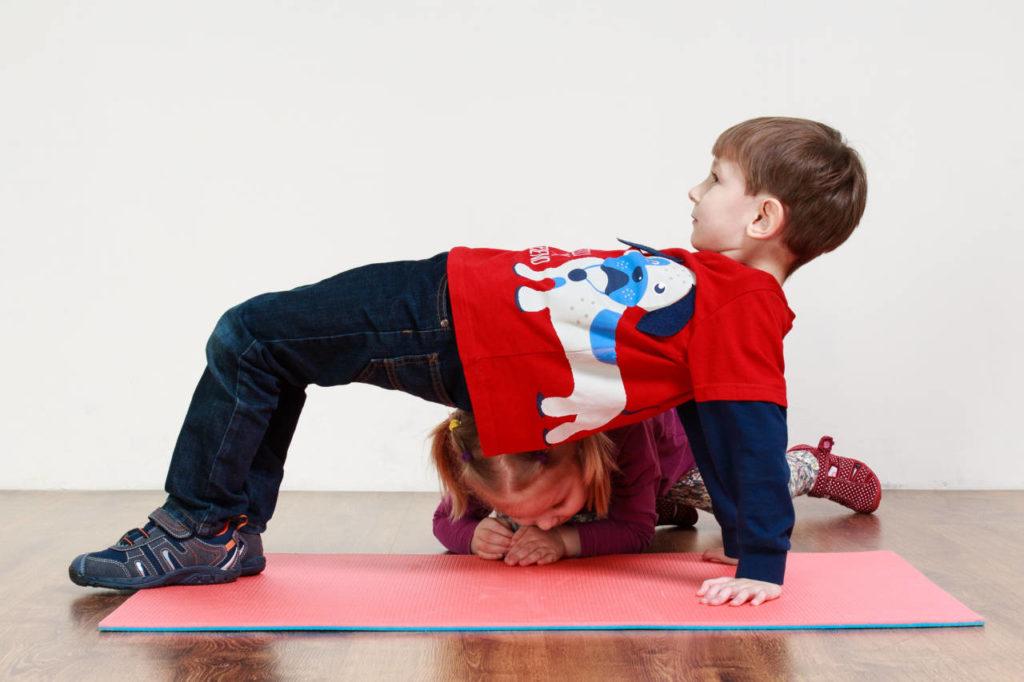
Helping children understand their bodies is one of the most valuable gifts adults can offer. Body awareness allows children to recognize how their bodies move, feel, and respond to the world around them. When introduced early, it supports physical health, emotional balance, confidence, and lifelong well-being.
Rather than focusing only on fitness or sports, body awareness nurtures a deeper connection between mind and body, laying the foundation for healthy habits that extend into adulthood.
What Is Body Awareness?
Body awareness is the ability to notice and understand bodily sensations, movements, posture, and physical boundaries. For children, this includes recognizing hunger and fullness, understanding emotions stored in the body, and knowing how to move safely and efficiently.
Developing this awareness helps children become more attentive to their needs and better equipped to care for themselves.
Why Body Awareness Matters in Childhood
Children who develop body awareness early often experience long-term benefits that go beyond physical health.
Key benefits include:
-
Improved posture and coordination
-
Reduced risk of injury during play and sports
-
Better emotional regulation and stress management
-
Stronger self-esteem and confidence
-
Healthier eating and sleeping patterns
By understanding bodily signals, children learn when to rest, when to move, and how to respond to discomfort before it becomes a problem.
How Body Awareness Supports Physical Health
Body awareness helps children move with intention rather than force. When children learn how their muscles and joints work together, they develop safer movement patterns.
Improved Movement and Posture
Children who recognize how they sit, stand, and walk are more likely to maintain proper posture. This reduces strain on growing muscles and supports spinal health as they mature.
Injury Prevention
Awareness teaches children to notice fatigue, pain, or imbalance. Recognizing these signals early encourages rest and proper technique, lowering the risk of overuse injuries.
Emotional and Mental Benefits of Body Awareness
Body awareness is closely tied to emotional intelligence. Children often feel emotions physically before they can describe them verbally.
Understanding Emotional Signals
A tight chest, clenched jaw, or restless legs can signal stress or anxiety. When children learn to notice these cues, they gain tools to calm themselves and communicate their feelings more clearly.
Building Self-Regulation Skills
Body-based practices such as breathing or stretching help children manage big emotions. These skills are essential for focus, resilience, and healthy social interactions.
Practical Ways to Teach Body Awareness
Teaching body awareness does not require special equipment or structured lessons. Simple, playful activities are often the most effective.
Effective approaches include:
-
Encouraging mindful movement during play
-
Teaching children to name body parts and sensations
-
Practicing slow breathing together
-
Using balance games to improve coordination
-
Introducing gentle stretching before and after activity
Consistency matters more than complexity. Small daily moments create lasting habits.
Making Body Awareness Part of Daily Life
Body awareness thrives when it is woven naturally into routines. Everyday activities offer countless learning opportunities.
Daily Moments That Build Awareness
-
Asking children how their bodies feel after play or rest
-
Encouraging stretching after sitting for long periods
-
Helping children recognize hunger, thirst, and tiredness
-
Modeling healthy posture and movement
Children learn best through observation, so adult behavior plays a crucial role in shaping awareness.
Supporting Lifelong Healthy Habits
When children grow up understanding their bodies, they are more likely to respect physical limits and make informed health choices later in life. Body awareness fosters a sense of ownership over personal health rather than dependence on external rules.
This internal understanding supports lifelong habits such as regular movement, stress management, and proactive self-care.
FAQs
What is the ideal age to start teaching body awareness?
Body awareness can begin in early childhood through simple movement, naming body parts, and sensory play. It naturally evolves as children grow.
Can body awareness help children who struggle with focus?
Yes, increased body awareness often improves concentration by helping children recognize restlessness and release excess energy in healthy ways.
Is body awareness the same as physical fitness?
No, body awareness focuses on understanding and sensing the body, while fitness emphasizes strength and endurance. Both complement each other.
How can parents encourage body awareness at home?
Parents can encourage mindful movement, ask children how their bodies feel, and model healthy habits such as stretching and relaxed breathing.
Does body awareness help with emotional development?
Absolutely. Children who understand bodily signals are often better at identifying emotions and regulating stress.
Can technology interfere with body awareness?
Excessive screen time may reduce physical engagement. Balancing technology with active play supports stronger body awareness.
How long does it take for children to develop body awareness?
Body awareness develops gradually over time. Consistent, supportive experiences make a significant difference as children grow.